The San Diego Blog
Stay up to date with what's going on locally
The San Diego Blog
Stay up to date with what's going on locally
Blogs
Stay up to date with everything going on
San Diego Blogs
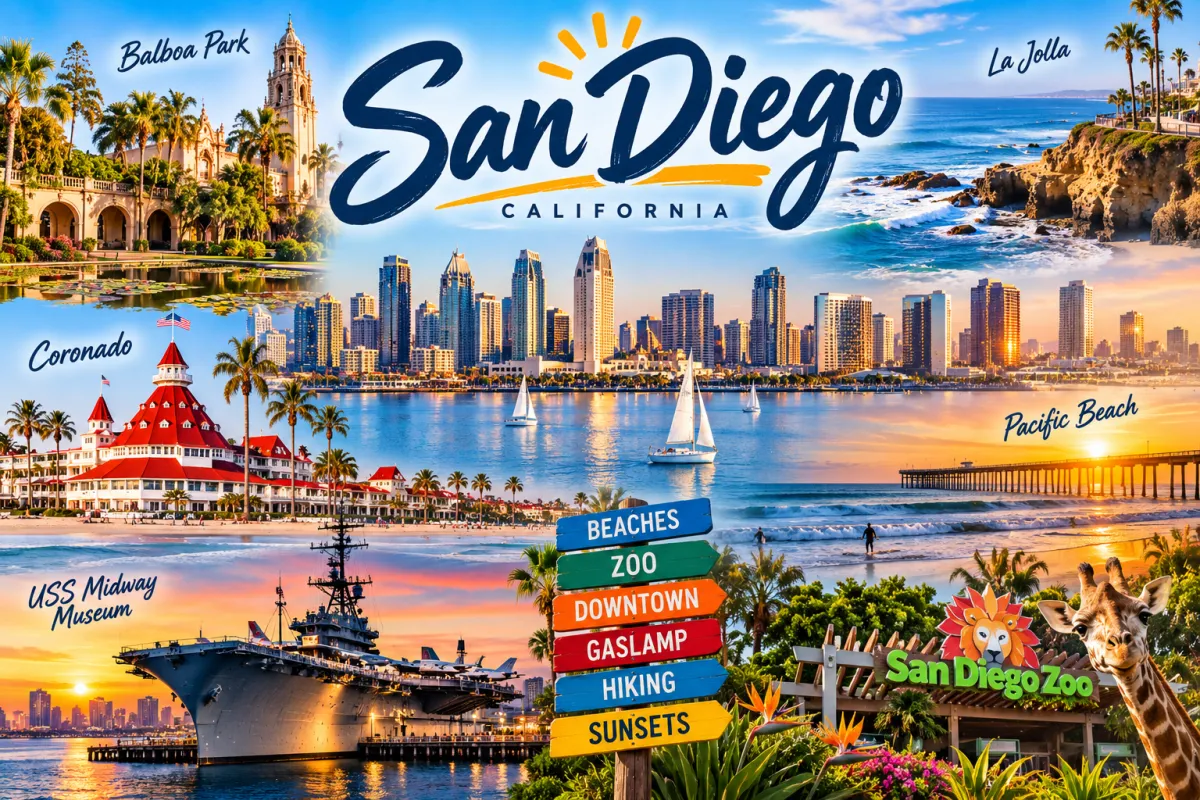
☀️🌴 Wait... That’s in San Diego? | The Mission Bay San Diego Built
☀️🌴 Wait... That’s in San Diego? |
The (Mission) Bay San Diego Built
After spending my first 20 years in San Diego living around UTC, La Jolla, University City and Sorrento Valley - after transplanting here from the Bay Area... my bride Ailina and I were ready for a change. In 2021, during the Global Pandemic, we stumbled across a wonderful hacienda-style house for sale in Bay Park, and suddenly Mission Bay became part of our everyday life.
We’ve come to love the coastal lifestyle here: Mission Bay itself, the neighborhood businesses, pubs and restaurants, and of course those spectacular views stretching across Mission Bay toward the Pacific...
But here’s the surprising part:
Mission Bay, as we know it today, was largely built by San Diegans!
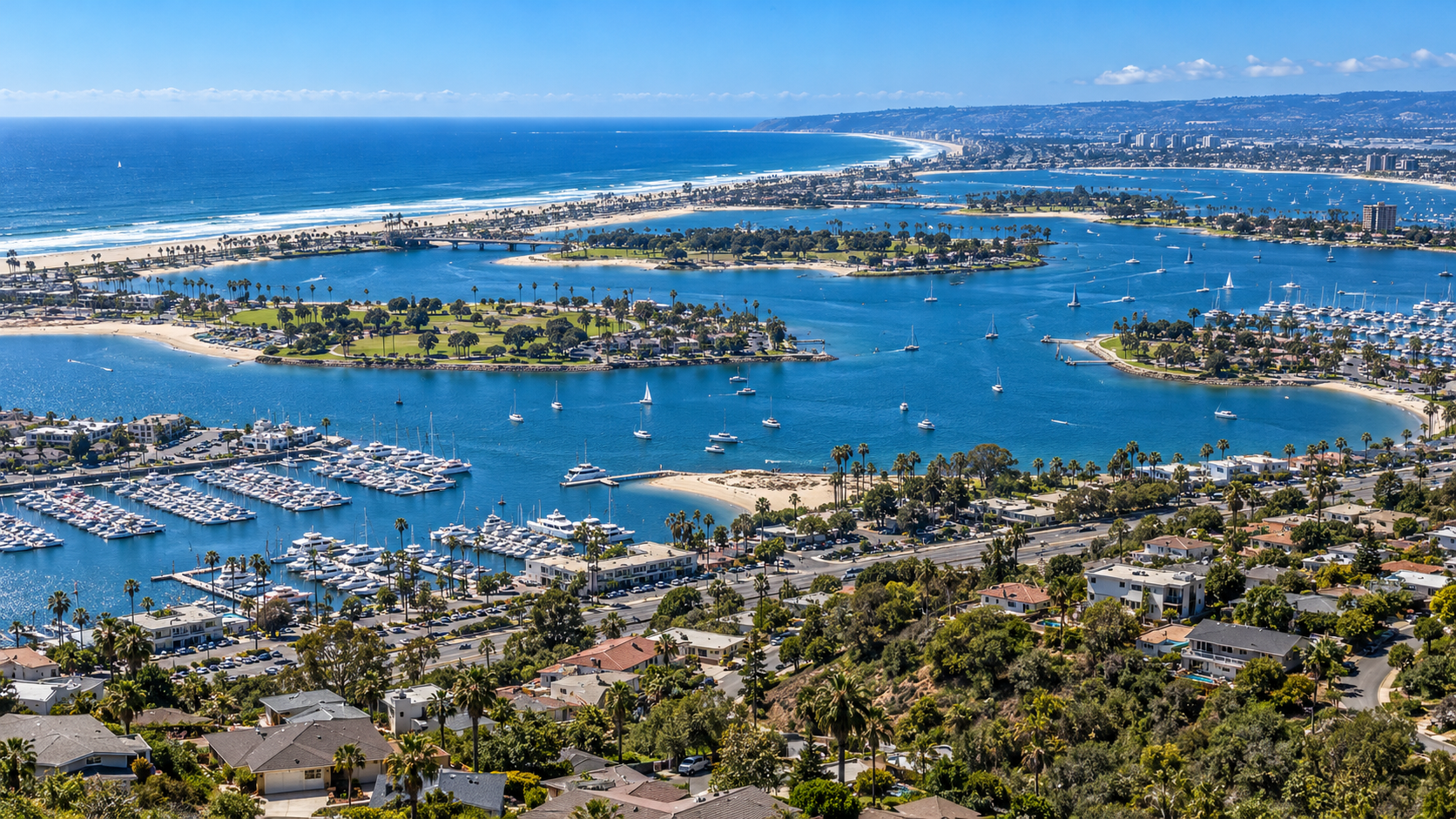
For centuries, the area was a tidal marsh and estuary historically known as False Bay. In 1944, San Diego civic leaders recommended transforming it into a major recreation and tourism destination. Large-scale dredging began in the late 1940s and continued into the early 1960s. Roughly 25 million cubic yards of sand and silt were moved, creating much of the islands, peninsulas, beaches and waterways we recognize today. San Diego
The result became one of San Diego’s defining public spaces. Today, Mission Bay Park encompasses more than 4,200 acres, with 27 miles of shoreline, about 19 miles of sandy beaches and nearly 14 miles of biking and walking paths. The City estimates roughly 15 million visits annually. San Diego
And just uphill, Bay Park was developing during the same broad postwar era. Early Bay Park Village was designed as an automobile-oriented suburban community, with curving streets, neighborhood-serving businesses and homes positioned to take advantage of westerly Mission Bay views. San Diego
There’s another chapter unfolding today.
San Diego is now investing in Mission Bay with projects focused on shoreline restoration, water quality, habitat, recreation and long-term resilience. The De Anza Natural plan alone calls for more than 140 acres of new wetlands while retaining recreational uses - in some ways restoring pieces of the natural environment that earlier generations reshaped. San Diego
That’s what makes this corner of San Diego so interesting to me.
We’re living beside a landscape that was dramatically transformed once — and is still evolving.
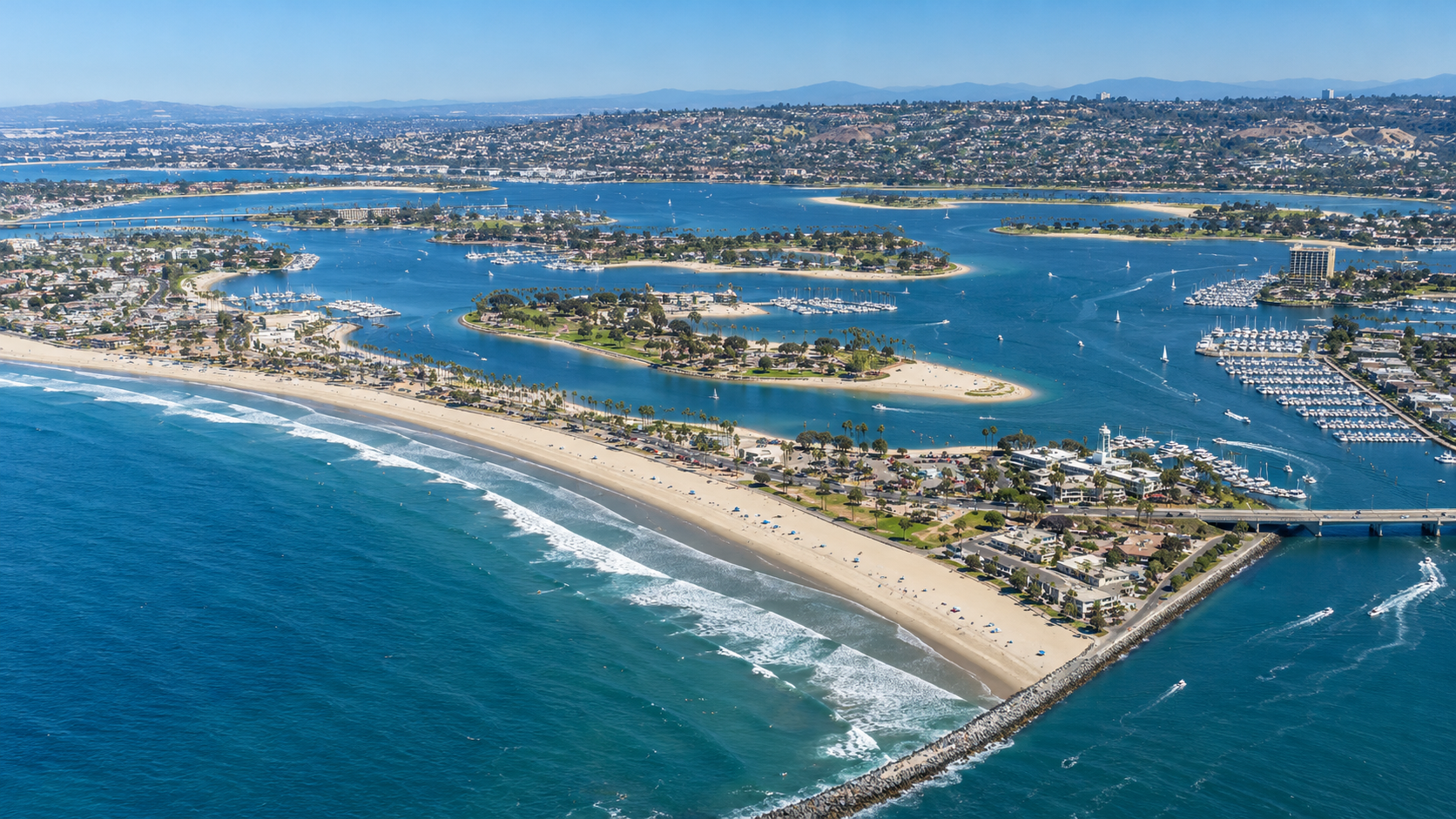
Next time you’re looking down at Mission Bay from Bay Park, remember: much of that familiar coastline wasn’t always there.
Wait... that’s in San Diego? Yep. And practically in our backyard. 🌴☀️

Interviews
☀️🌴 Wait... That’s in San Diego? | The Mission Bay San Diego Built
☀️🌴 Wait... That’s in San Diego? |
The (Mission) Bay San Diego Built
After spending my first 20 years in San Diego living around UTC, La Jolla, University City and Sorrento Valley - after transplanting here from the Bay Area... my bride Ailina and I were ready for a change. In 2021, during the Global Pandemic, we stumbled across a wonderful hacienda-style house for sale in Bay Park, and suddenly Mission Bay became part of our everyday life.
We’ve come to love the coastal lifestyle here: Mission Bay itself, the neighborhood businesses, pubs and restaurants, and of course those spectacular views stretching across Mission Bay toward the Pacific...
But here’s the surprising part:
Mission Bay, as we know it today, was largely built by San Diegans!
For centuries, the area was a tidal marsh and estuary historically known as False Bay. In 1944, San Diego civic leaders recommended transforming it into a major recreation and tourism destination. Large-scale dredging began in the late 1940s and continued into the early 1960s. Roughly 25 million cubic yards of sand and silt were moved, creating much of the islands, peninsulas, beaches and waterways we recognize today. San Diego
The result became one of San Diego’s defining public spaces. Today, Mission Bay Park encompasses more than 4,200 acres, with 27 miles of shoreline, about 19 miles of sandy beaches and nearly 14 miles of biking and walking paths. The City estimates roughly 15 million visits annually. San Diego
And just uphill, Bay Park was developing during the same broad postwar era. Early Bay Park Village was designed as an automobile-oriented suburban community, with curving streets, neighborhood-serving businesses and homes positioned to take advantage of westerly Mission Bay views. San Diego
There’s another chapter unfolding today.
San Diego is now investing in Mission Bay with projects focused on shoreline restoration, water quality, habitat, recreation and long-term resilience. The De Anza Natural plan alone calls for more than 140 acres of new wetlands while retaining recreational uses - in some ways restoring pieces of the natural environment that earlier generations reshaped. San Diego
That’s what makes this corner of San Diego so interesting to me.
We’re living beside a landscape that was dramatically transformed once — and is still evolving.
Next time you’re looking down at Mission Bay from Bay Park, remember: much of that familiar coastline wasn’t always there.
Wait... that’s in San Diego? Yep. And practically in our backyard. 🌴☀️
Articles
☀️🌴 Wait... That’s in San Diego? | The Mission Bay San Diego Built
☀️🌴 Wait... That’s in San Diego? |
The (Mission) Bay San Diego Built
After spending my first 20 years in San Diego living around UTC, La Jolla, University City and Sorrento Valley - after transplanting here from the Bay Area... my bride Ailina and I were ready for a change. In 2021, during the Global Pandemic, we stumbled across a wonderful hacienda-style house for sale in Bay Park, and suddenly Mission Bay became part of our everyday life.
We’ve come to love the coastal lifestyle here: Mission Bay itself, the neighborhood businesses, pubs and restaurants, and of course those spectacular views stretching across Mission Bay toward the Pacific...
But here’s the surprising part:
Mission Bay, as we know it today, was largely built by San Diegans!
For centuries, the area was a tidal marsh and estuary historically known as False Bay. In 1944, San Diego civic leaders recommended transforming it into a major recreation and tourism destination. Large-scale dredging began in the late 1940s and continued into the early 1960s. Roughly 25 million cubic yards of sand and silt were moved, creating much of the islands, peninsulas, beaches and waterways we recognize today. San Diego
The result became one of San Diego’s defining public spaces. Today, Mission Bay Park encompasses more than 4,200 acres, with 27 miles of shoreline, about 19 miles of sandy beaches and nearly 14 miles of biking and walking paths. The City estimates roughly 15 million visits annually. San Diego
And just uphill, Bay Park was developing during the same broad postwar era. Early Bay Park Village was designed as an automobile-oriented suburban community, with curving streets, neighborhood-serving businesses and homes positioned to take advantage of westerly Mission Bay views. San Diego
There’s another chapter unfolding today.
San Diego is now investing in Mission Bay with projects focused on shoreline restoration, water quality, habitat, recreation and long-term resilience. The De Anza Natural plan alone calls for more than 140 acres of new wetlands while retaining recreational uses - in some ways restoring pieces of the natural environment that earlier generations reshaped. San Diego
That’s what makes this corner of San Diego so interesting to me.
We’re living beside a landscape that was dramatically transformed once — and is still evolving.
Next time you’re looking down at Mission Bay from Bay Park, remember: much of that familiar coastline wasn’t always there.
Wait... that’s in San Diego? Yep. And practically in our backyard. 🌴☀️

#58BB47
#0000FF
https://www.google.com/maps/embed?pb=!1m18!1m12!1m3!1d429155.3376406009!2d-117.43861812897623!3d32.82469764779043!2m3!1f0!2f0!3f0!3m2!1i1024!2i768!4f13.1!3m3!1m2!1s0x80d9530fad921e4b%3A0xd3a21fdfd15df79!2sSan%20Diego%2C%20CA%2C%20USA!5e0!3m2!1sen!2sph!4v1710098235283!5m2!1sen!2sph
Thank you for visiting
San Diego
Contact Info
Address
8895 Towne Centre Dr. Ste 105 PMB 436, San Diego, CA 92122-5542
Phone
+18582328722
Location
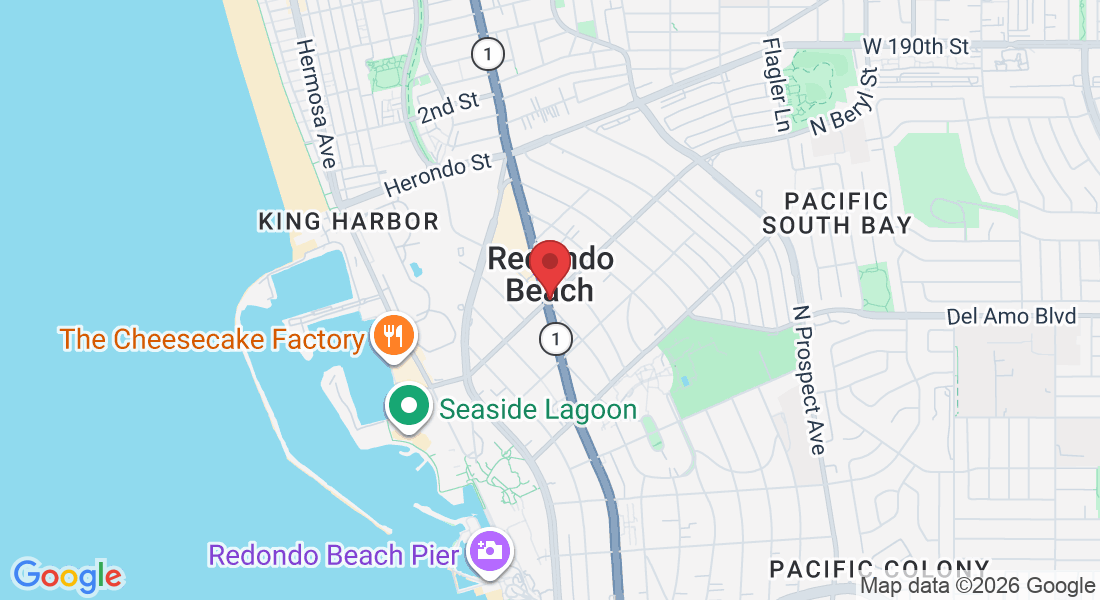
https://www.google.com/maps/embed?pb=!1m18!1m12!1m3!1d429155.3376406009!2d-117.43861812897623!3d32.82469764779043!2m3!1f0!2f0!3f0!3m2!1i1024!2i768!4f13.1!3m3!1m2!1s0x80d9530fad921e4b%3A0xd3a21fdfd15df79!2sSan%20Diego%2C%20CA%2C%20USA!5e0!3m2!1sen!2sph!4v1710098235283!5m2!1sen!2sph