The San Diego Blog
Stay up to date with what's going on locally
The San Diego Blog
Stay up to date with what's going on locally
Blogs
Stay up to date with everything going on
San Diego Blogs
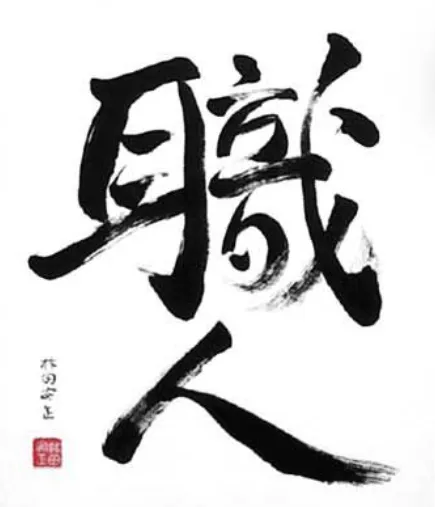
Shokunin (職人) Dedicated To Continuous Improvement
Shokunin (職人)
Shokunin (職人) is a Japanese word often translated as “artisan” or “craftsman,” but that definition feels too small. It is not merely about having a skill or a job title. It is about a lifelong devotion to craft. It is the pursuit of mastery, not as a destination, but as a way of living.
This is my word of the year for 2026
Sometimes we need to give ourselves permission to live by our circumstances briefly.
Not forever. Not as an excuse. Not as a hiding place.
Briefly.
There are seasons when life asks more from us than we expected. Seasons when the schedule is heavier, the energy is thinner, the clarity is not quite there yet, and the best we can do is stabilize, breathe, regroup, and prepare.
But preparation is not the same as settling.
At some point, we have to ask ourselves a better question:
What am I getting ready for?
The answer, at least for me, is this:
I am getting ready to be disciplined enough to go for great.
Not perfect. Not flashy. Not impressive for the sake of being noticed.
Great.
The kind of great that is built quietly. The kind that is earned in private before it is ever recognized in public. The kind that comes from choosing excellence one small decision at a time.
“Good is the enemy of great. Greatness is not a function of circumstance.
Greatness, it turns out, is largely a matter of conscious choice and discipline”
~ Jim Collins, author of Good to Great
That quote lands differently depending on the season you are in.
When life is comfortable, it sounds inspiring.
When life is demanding, it sounds like a challenge.
When life has humbled you, it sounds like truth.
Good can be a comfortable place to hide. Good gets applause. Good pays the bills. Good lets us coast just enough to avoid the discomfort of change. But good can also become the quiet ceiling we stop noticing.
Great requires something more honest from us.
It asks for intention.
It asks for discipline.
It asks us to stop blaming circumstances long enough to make a conscious choice about who we are becoming.
That is where the idea of shokunin has been sitting with me.
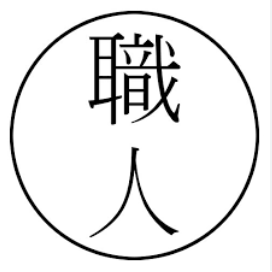
Shokunin (職人)is a Japanese word often translated as “artisan” or “craftsman,” but that definition feels too small. It is not merely about having a skill or a job title. It is about a lifelong devotion to craft. It is the pursuit of mastery, not as a destination, but as a way of living.
A true shokunin does not simply do the work.
They honor the work.
They refine the work.
They take responsibility for the impact of the work.
There is humility in it. There is discipline in it. There is also a deep social responsibility. The craft is not only for the benefit of the craftsman. It is for the people being served by the craft.
You can feel this when you visit Japan, which I was lucky enough to do for 30 days in 2025.
It shows up in the smallest details. The way something is wrapped. The way food is prepared. The way a shopkeeper handles a simple transaction. The way care is not performed loudly, but practiced quietly. There is a dignity to the work, even when the work appears ordinary.
That kind of excellence leaves a lasting impression on those who recognize it and appreciate it.
And maybe that is the real lesson.
Greatness does not always announce itself.
Sometimes it is simply the result of someone caring deeply enough to do the ordinary thing extraordinarily well.
That is the spirit of shokunin.
It is not about arriving.
It is about returning to the craft again and again with cleaner hands, clearer eyes, and a more disciplined heart.
So yes, there may be moments when we live by our circumstances briefly while we get ready.
But we should not confuse that pause with surrender.
We are getting ready to choose better.
To practice deeper.
To seek excellence.
To become the kind of person whose work carries the quiet signature of care.
That is the path.
That is the discipline.
That is shokunin.

Interviews
Shokunin (職人) Dedicated To Continuous Improvement
Shokunin (職人)
Shokunin (職人) is a Japanese word often translated as “artisan” or “craftsman,” but that definition feels too small. It is not merely about having a skill or a job title. It is about a lifelong devotion to craft. It is the pursuit of mastery, not as a destination, but as a way of living.
This is my word of the year for 2026
Sometimes we need to give ourselves permission to live by our circumstances briefly.
Not forever. Not as an excuse. Not as a hiding place.
Briefly.
There are seasons when life asks more from us than we expected. Seasons when the schedule is heavier, the energy is thinner, the clarity is not quite there yet, and the best we can do is stabilize, breathe, regroup, and prepare.
But preparation is not the same as settling.
At some point, we have to ask ourselves a better question:
What am I getting ready for?
The answer, at least for me, is this:
I am getting ready to be disciplined enough to go for great.
Not perfect. Not flashy. Not impressive for the sake of being noticed.
Great.
The kind of great that is built quietly. The kind that is earned in private before it is ever recognized in public. The kind that comes from choosing excellence one small decision at a time.
“Good is the enemy of great. Greatness is not a function of circumstance.
Greatness, it turns out, is largely a matter of conscious choice and discipline”
~ Jim Collins, author of Good to Great
That quote lands differently depending on the season you are in.
When life is comfortable, it sounds inspiring.
When life is demanding, it sounds like a challenge.
When life has humbled you, it sounds like truth.
Good can be a comfortable place to hide. Good gets applause. Good pays the bills. Good lets us coast just enough to avoid the discomfort of change. But good can also become the quiet ceiling we stop noticing.
Great requires something more honest from us.
It asks for intention.
It asks for discipline.
It asks us to stop blaming circumstances long enough to make a conscious choice about who we are becoming.
That is where the idea of shokunin has been sitting with me.
Shokunin (職人)is a Japanese word often translated as “artisan” or “craftsman,” but that definition feels too small. It is not merely about having a skill or a job title. It is about a lifelong devotion to craft. It is the pursuit of mastery, not as a destination, but as a way of living.
A true shokunin does not simply do the work.
They honor the work.
They refine the work.
They take responsibility for the impact of the work.
There is humility in it. There is discipline in it. There is also a deep social responsibility. The craft is not only for the benefit of the craftsman. It is for the people being served by the craft.
You can feel this when you visit Japan, which I was lucky enough to do for 30 days in 2025.
It shows up in the smallest details. The way something is wrapped. The way food is prepared. The way a shopkeeper handles a simple transaction. The way care is not performed loudly, but practiced quietly. There is a dignity to the work, even when the work appears ordinary.
That kind of excellence leaves a lasting impression on those who recognize it and appreciate it.
And maybe that is the real lesson.
Greatness does not always announce itself.
Sometimes it is simply the result of someone caring deeply enough to do the ordinary thing extraordinarily well.
That is the spirit of shokunin.
It is not about arriving.
It is about returning to the craft again and again with cleaner hands, clearer eyes, and a more disciplined heart.
So yes, there may be moments when we live by our circumstances briefly while we get ready.
But we should not confuse that pause with surrender.
We are getting ready to choose better.
To practice deeper.
To seek excellence.
To become the kind of person whose work carries the quiet signature of care.
That is the path.
That is the discipline.
That is shokunin.
Articles
Shokunin (職人) Dedicated To Continuous Improvement
Shokunin (職人)
Shokunin (職人) is a Japanese word often translated as “artisan” or “craftsman,” but that definition feels too small. It is not merely about having a skill or a job title. It is about a lifelong devotion to craft. It is the pursuit of mastery, not as a destination, but as a way of living.
This is my word of the year for 2026
Sometimes we need to give ourselves permission to live by our circumstances briefly.
Not forever. Not as an excuse. Not as a hiding place.
Briefly.
There are seasons when life asks more from us than we expected. Seasons when the schedule is heavier, the energy is thinner, the clarity is not quite there yet, and the best we can do is stabilize, breathe, regroup, and prepare.
But preparation is not the same as settling.
At some point, we have to ask ourselves a better question:
What am I getting ready for?
The answer, at least for me, is this:
I am getting ready to be disciplined enough to go for great.
Not perfect. Not flashy. Not impressive for the sake of being noticed.
Great.
The kind of great that is built quietly. The kind that is earned in private before it is ever recognized in public. The kind that comes from choosing excellence one small decision at a time.
“Good is the enemy of great. Greatness is not a function of circumstance.
Greatness, it turns out, is largely a matter of conscious choice and discipline”
~ Jim Collins, author of Good to Great
That quote lands differently depending on the season you are in.
When life is comfortable, it sounds inspiring.
When life is demanding, it sounds like a challenge.
When life has humbled you, it sounds like truth.
Good can be a comfortable place to hide. Good gets applause. Good pays the bills. Good lets us coast just enough to avoid the discomfort of change. But good can also become the quiet ceiling we stop noticing.
Great requires something more honest from us.
It asks for intention.
It asks for discipline.
It asks us to stop blaming circumstances long enough to make a conscious choice about who we are becoming.
That is where the idea of shokunin has been sitting with me.
Shokunin (職人)is a Japanese word often translated as “artisan” or “craftsman,” but that definition feels too small. It is not merely about having a skill or a job title. It is about a lifelong devotion to craft. It is the pursuit of mastery, not as a destination, but as a way of living.
A true shokunin does not simply do the work.
They honor the work.
They refine the work.
They take responsibility for the impact of the work.
There is humility in it. There is discipline in it. There is also a deep social responsibility. The craft is not only for the benefit of the craftsman. It is for the people being served by the craft.
You can feel this when you visit Japan, which I was lucky enough to do for 30 days in 2025.
It shows up in the smallest details. The way something is wrapped. The way food is prepared. The way a shopkeeper handles a simple transaction. The way care is not performed loudly, but practiced quietly. There is a dignity to the work, even when the work appears ordinary.
That kind of excellence leaves a lasting impression on those who recognize it and appreciate it.
And maybe that is the real lesson.
Greatness does not always announce itself.
Sometimes it is simply the result of someone caring deeply enough to do the ordinary thing extraordinarily well.
That is the spirit of shokunin.
It is not about arriving.
It is about returning to the craft again and again with cleaner hands, clearer eyes, and a more disciplined heart.
So yes, there may be moments when we live by our circumstances briefly while we get ready.
But we should not confuse that pause with surrender.
We are getting ready to choose better.
To practice deeper.
To seek excellence.
To become the kind of person whose work carries the quiet signature of care.
That is the path.
That is the discipline.
That is shokunin.

#58BB47
#0000FF
https://www.google.com/maps/embed?pb=!1m18!1m12!1m3!1d429155.3376406009!2d-117.43861812897623!3d32.82469764779043!2m3!1f0!2f0!3f0!3m2!1i1024!2i768!4f13.1!3m3!1m2!1s0x80d9530fad921e4b%3A0xd3a21fdfd15df79!2sSan%20Diego%2C%20CA%2C%20USA!5e0!3m2!1sen!2sph!4v1710098235283!5m2!1sen!2sph
Thank you for visiting
San Diego
Contact Info
Address
8895 Towne Centre Dr. Ste 105 PMB 436, San Diego, CA 92122-5542
Phone
+18582328722
Location

https://www.google.com/maps/embed?pb=!1m18!1m12!1m3!1d429155.3376406009!2d-117.43861812897623!3d32.82469764779043!2m3!1f0!2f0!3f0!3m2!1i1024!2i768!4f13.1!3m3!1m2!1s0x80d9530fad921e4b%3A0xd3a21fdfd15df79!2sSan%20Diego%2C%20CA%2C%20USA!5e0!3m2!1sen!2sph!4v1710098235283!5m2!1sen!2sph