Thomas J. Nelson
Your Local Guide For San Diego
Meet The Team
Your Local Guide For San Diego
Christine Frushon
Real Estate Professional Consultant at Keys with Christine Brokered by EXP Realty

Thomas J. Nelson


DRE# 01261476
Big Block-LPT Realty


Well, let me tell you, real estate runs deep in my veins. It's like the very foundation of who I am. You see, it's a family affair—my folks, my grandparents, they were all in the game, making deals, managing properties. It was like breathing for us, you know?
Now, my grandma Frances, she was the one who got me started on this journey. She'd take me along to her deals, teaching me the ropes from a young age. And then there was grandpa Al, a real property guru. He showed me the ropes of real estate investing and even got me hands-on with some light construction work. Painting, electrical, plumbing—you name it, I was there, learning the ropes.
But life's a funny old thing, isn't it? While I was knee-deep in property management, another passion came calling: music. Now, I may not be the next Elvis, but I sure can hold my own with a guitar or drums. But it was when I discovered the magic of mixing music that things really took off. Parties turned into gigs, gigs turned into paid gigs, and before I knew it, I was running my own music business at the ripe old age of nineteen.
For three decades, I was the heart and soul behind Nelson-Entertainment, a Mobile DJ & Wedding Event planning company. What began as a simple hobby blossomed into a thriving business, and I had the privilege of orchestrating over 2000 weddings and countless other events. From humble beginnings, I learned invaluable lessons about entrepreneurship and the art of service.
But life had more in store for me. Ten years into my DJ career, I joined forces with my mother in the real estate business. Watching her navigate the industry, from land acquisition to home construction, was an education in itself. She didn't just sell homes; she cultivated genuine connections with her clients, becoming more than just their REALTOR®—she was their trusted confidante.
Inspired by her example and the arrival of my son, Wyatt, I embarked on my own real estate journey. Balancing my DJ gigs and property management duties, I laid the foundation for my fledgling real estate business. In 2003, my wife Ailina and I made the leap to San Diego, drawn by its inviting climate and vibrant community. La Jolla stole our hearts, offering the perfect backdrop for our new chapter.
Joining forces with Big Block Realty was a game-changer. Surrounded by like-minded professionals, I found a home where my values and vision aligned seamlessly. With access to top-notch training and support, I'm constantly honing my skills to better serve my clients.
I don't take your trust for granted. Each transaction is an opportunity to exceed your expectations and earn your satisfaction. Whether you're buying or selling, I'm here to guide you through every step of the process. And if you know someone in need of real estate expertise, don't hesitate to send them my way—I'll ensure they receive the same level of care and attention.
In the world of real estate, results matter. With me by your side, you can rest assured that your goals are my top priority. Let's embark on this journey together and turn your real estate dreams into reality.
It's A Good Life!
Thomas
Service Areas
San Diego
Service Areas
San Diego
San Diego
EXP Relocation Certification
EXP REO Certification
AHRN Certified Military Real Estate Agent
Recent Activity
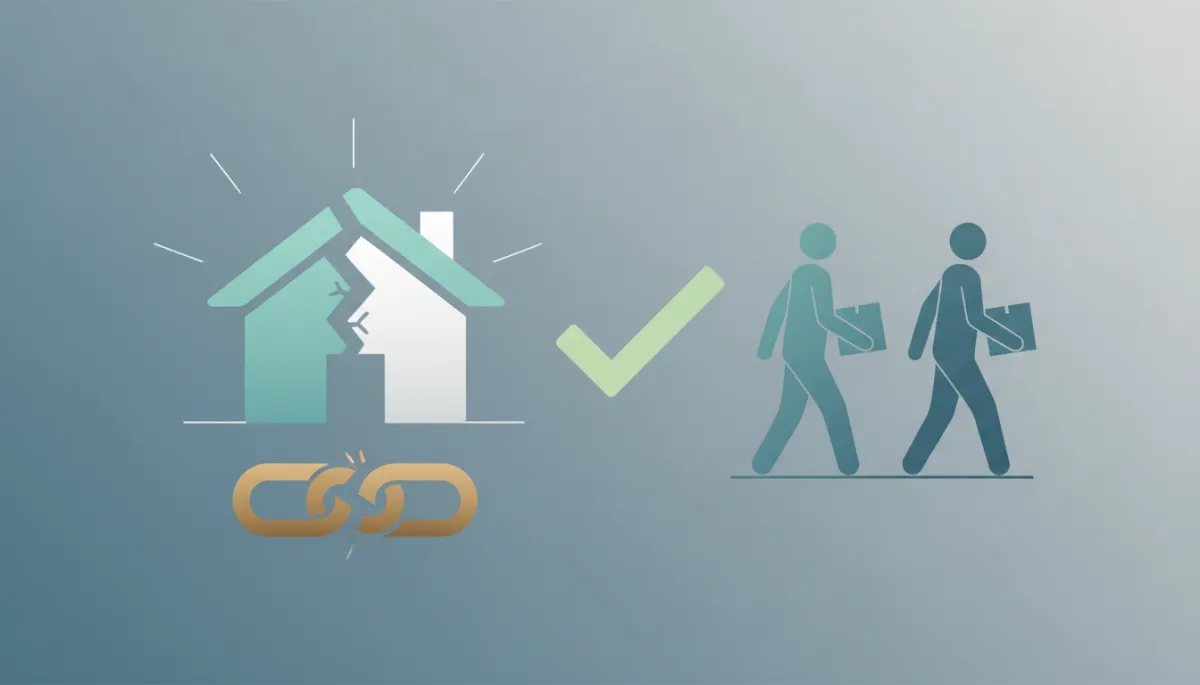
Successfully Selling a Home During Divorce in California
Real Estate, Divorce, California
Selling a Home During Divorce in California: Challenges, Mistakes, and How to Move On
I have been divorced. I have had to sell or buy out my ex on multiple homes as a result of that divorce. I know the anger, the pain and the fear. Selling a home is rarely simple. Selling it because of a divorce in California adds emotional strain, legal complexity, and tight timelines. With the right approach, though, you can get the deal closed and take a meaningful step toward your next chapter.
Why Selling a Home in a California Divorce Feels So Hard
In California, your home is often one of the largest community assets a couple owns. That alone makes it a focal point in divorce. Layer on memories, children’s routines, and financial worries, and the sale can feel overwhelming. Understanding what makes this process uniquely challenging can help you navigate it more calmly and strategically.
Community Property and Equity Splits
I am not an attorney, nor am I offering legal advice. Consult your attorney on all decisions.
California is a community property state. In broad terms, this means that equity in a home acquired during the marriage is usually considered jointly owned, regardless of whose name is on the title or mortgage. When you sell, the net proceeds typically need to be divided fairly, taking into account:
How much each spouse contributed to the down payment, mortgage or capital improvements.
Whether separate property funds were used (such as pre-marriage savings or inheritance)
Any agreements in a prenuptial or postnuptial contract
These financial details can quickly become points of conflict, slowing down decisions about pricing, repairs, and accepting offers. Having clear numbers and professional advice early on can reduce friction later.
Emotional Attachments and Power Struggles
A home isn’t just drywall and square footage. It’s where you hosted holidays, raised children, or built a life you once expected to last. When that life is changing, the home can become a symbol of loss—or control. One spouse may resist selling at all, or insist on an unrealistically high price, simply because letting go feels too painful or unfair.
These emotions are normal, but if they drive the process, they can sabotage a sale. The challenge is to acknowledge the feelings while still making clear-headed, businesslike decisions about the property.
Logistical and Legal Complications in California
Divorce often means new living arrangements, custody schedules, and financial constraints. Coordinating showings, repairs, and move-out dates while juggling all of that is hard enough. Add in California’s specific requirements—such as detailed disclosure obligations, potential court orders regarding the property, and the need for both spouses to sign key documents—and delays are common if you are not organized from the start.
💡 Pro Tip: Ask your divorce attorney early on whether court approval will be needed for the sale and how proceeds should be handled, so your real estate agent knows the ground rules from day one.
Common Mistakes Couples Make When Selling a Home Due to Divorce (I know this all too well - because I've been there).
Knowing what often goes wrong can help you avoid repeating the same painful patterns. Here are some of the most frequent missteps California couples make when selling a home during divorce.
1. Letting Conflict Spill Into Every Decision
Arguing over who “wins” on every detail—list price, paint color, repair budgets, open house times—can drag the process out for months. Potential buyers sense tension, and your agent may struggle to get timely answers. In some cases, one spouse even blocks showings or refuses to sign documents as leverage in other divorce issues, which can kill deals and erode net proceeds for both parties.
2. Choosing the Wrong Real Estate Agent—or None at All
Some couples try to save money by selling the home themselves, or they hire a friend who has never handled a divorce-related sale. In a high-stress situation, you need a neutral, divorce-sale experienced professional who can communicate clearly with both spouses, coordinate with attorneys, and keep the focus on the goal: selling at the best realistic price in a reasonable timeframe. I am an RCS-D (Real Estate Collaborative Specialist in Divorce). I was trained by a divorce attorney directly in a formal class that took weeks to complete.

3. Ignoring the California Market and Overpricing the Home
In a divorce, it’s common for at least one person to think, “We need top dollar, no matter what.” While you certainly want a strong price, setting an unrealistic list price—especially in shifting California markets—can backfire. The home sits, you chase the market down with price cuts, and buyers start to wonder what’s wrong with it. Ultimately, you may net less and stay entangled with your ex longer than necessary.
4. Failing to Agree on a Clear Plan for Proceeds and Expenses
Who pays for repairs and staging? How will mortgage payments, taxes, and insurance be handled until closing? Where will the net sale proceeds go—into a joint account, an attorney trust account, or something else? When these questions are left vague, you may reach closing only to discover a new fight over money, potentially delaying disbursement of funds when you both need them most.
5. Neglecting the Home’s Condition Because “We’re Leaving Anyway”
When you’re emotionally done, it’s tempting to stop caring about curb appeal, clutter, or minor repairs. But buyers don’t see your history—they see scuffed walls, overgrown landscaping, and deferred maintenance. That often translates into lower offers and longer time on market. A modest investment of time and money in basic preparation can pay off significantly in your sale price.

Simple staging and repairs can shorten time on market and boost net proceeds.
Best Practices to Get the Deal Closed Smoothly
While every divorce is unique, certain strategies consistently help California couples move from gridlock to closing. Think of these as your roadmap for turning a stressful sale into a manageable, step-by-step process.
Treat the Sale Like a Business Transaction
It may sound cold, but separating your emotions from the numbers is one of the most powerful things you can do. Decide in advance:
A realistic price range, based on comparable sales and your agent’s analysis
What types of offers you will seriously consider (for example, cash vs. financed, contingencies, closing timelines)
How you will handle repair requests and credits after inspections
Putting these guidelines in writing—and sharing them with your agent and attorneys—reduces last-minute fights and helps everyone stay aligned when offers come in.
Choose a Neutral, Divorce-Savvy RCS-D Trained
Real Estate Agent
Look for an agent who has experience with divorce sales in California and who can communicate professionally with both of you. We are neutral and only there for the good of the house, because what's good for the house, is good for both of you. Ideally, both spouses should interview the agent—together or separately—and agree in writing on:
How updates and decisions will be communicated (group emails, conference calls, etc.)
Who can approve showings and sign routine paperwork
What happens if you disagree on an offer or counteroffer
A good agent will stay neutral, avoid taking sides, and continually bring the conversation back to your shared goal: closing the sale so both of you can move forward.
Get Legal and Tax Guidance Early
Before you list, talk with your divorce attorney—and, if possible, a tax professional—about how the sale will affect you financially. In California, you may be able to take advantage of capital gains exclusions if the home has been your primary residence, but the details can be nuanced when you are separating. Clarifying these issues ahead of time helps you:
Decide on a target net number you each need from the sale
Avoid unpleasant surprises at tax time
Determine whether proceeds should be held in trust or divided immediately
Present the Home at Its Best—Within Reason
You don’t have to undertake a full remodel, but you should agree on a basic preparation plan. Focus on:
Decluttering shared spaces so rooms feel open and neutral
Minor repairs that buyers will notice immediately (leaky faucets, damaged flooring, peeling paint)
Curb appeal—tidy landscaping, clean entryway, and a welcoming front door
📌 Key Takeaway: A clean, neutral, well-maintained home sells faster and gives both spouses a better chance at maximizing their share of the proceeds.
Create a Communication Plan to Reduce Stress
Constant back-and-forth can be emotionally draining. To protect your peace of mind, agree on a simple communication structure:
One primary method of communication about the sale (for example, email only or a shared messaging thread)
Reasonable response times for decisions (such as 24 hours for routine items, 48 hours for offers)
When attorneys should be looped in to resolve disagreements rather than continuing to argue directly
Using the Sale to Help You Move On
—Not Hold You Back
The end of a marriage is rarely easy, but the way you handle the home sale can either prolong the pain or create a turning point. Closing the deal is not just a financial transaction; it’s a symbolic step toward a different future for both of you.
Focus on Your Next Chapter, Not Just the Loss
It’s natural to grieve the home you’re leaving behind. At the same time, try to visualize what the sale will make possible: a smaller place that’s easier to manage, a new neighborhood closer to work or family, or simply the financial breathing room to rebuild. Keeping your eyes on what you’re moving toward can make it easier to compromise on the details of getting there.
Protect Your Credit and Financial Fresh Start
Until the home is sold and the mortgage is paid off or refinanced, both spouses’ credit can be affected by missed payments or late fees. Even if one person has agreed to “handle the mortgage,” lenders still see both names. Staying current on payments and confirming in writing who is responsible for what protects your ability to rent or buy in the future once the sale closes.
Give Yourself Permission to Let Go
Finally, remember that a house is not the same as a home. The people, routines, and values you carry forward can create a new home somewhere else. Allowing the sale to move forward—signing the documents, handing over the keys, and walking away—can feel bittersweet. It can also be profoundly freeing. When you treat the process with care, clarity, and professionalism, you give yourself the best chance to close this chapter and move on with more peace and stability.
Selling a home because of divorce in California will never be purely easy. But by avoiding common mistakes, embracing best practices, and focusing on the life you’re building next, you can turn a difficult situation into a decisive step forward.

Successfully Selling a Home During Divorce in California
Real Estate, Divorce, California
Selling a Home During Divorce in California: Challenges, Mistakes, and How to Move On
I have been divorced. I have had to sell or buy out my ex on multiple homes as a result of that divorce. I know the anger, the pain and the fear. Selling a home is rarely simple. Selling it because of a divorce in California adds emotional strain, legal complexity, and tight timelines. With the right approach, though, you can get the deal closed and take a meaningful step toward your next chapter.
Why Selling a Home in a California Divorce Feels So Hard
In California, your home is often one of the largest community assets a couple owns. That alone makes it a focal point in divorce. Layer on memories, children’s routines, and financial worries, and the sale can feel overwhelming. Understanding what makes this process uniquely challenging can help you navigate it more calmly and strategically.
Community Property and Equity Splits
I am not an attorney, nor am I offering legal advice. Consult your attorney on all decisions.
California is a community property state. In broad terms, this means that equity in a home acquired during the marriage is usually considered jointly owned, regardless of whose name is on the title or mortgage. When you sell, the net proceeds typically need to be divided fairly, taking into account:
How much each spouse contributed to the down payment, mortgage or capital improvements.
Whether separate property funds were used (such as pre-marriage savings or inheritance)
Any agreements in a prenuptial or postnuptial contract
These financial details can quickly become points of conflict, slowing down decisions about pricing, repairs, and accepting offers. Having clear numbers and professional advice early on can reduce friction later.
Emotional Attachments and Power Struggles
A home isn’t just drywall and square footage. It’s where you hosted holidays, raised children, or built a life you once expected to last. When that life is changing, the home can become a symbol of loss—or control. One spouse may resist selling at all, or insist on an unrealistically high price, simply because letting go feels too painful or unfair.
These emotions are normal, but if they drive the process, they can sabotage a sale. The challenge is to acknowledge the feelings while still making clear-headed, businesslike decisions about the property.
Logistical and Legal Complications in California
Divorce often means new living arrangements, custody schedules, and financial constraints. Coordinating showings, repairs, and move-out dates while juggling all of that is hard enough. Add in California’s specific requirements—such as detailed disclosure obligations, potential court orders regarding the property, and the need for both spouses to sign key documents—and delays are common if you are not organized from the start.
💡 Pro Tip: Ask your divorce attorney early on whether court approval will be needed for the sale and how proceeds should be handled, so your real estate agent knows the ground rules from day one.
Common Mistakes Couples Make When Selling a Home Due to Divorce (I know this all too well - because I've been there).
Knowing what often goes wrong can help you avoid repeating the same painful patterns. Here are some of the most frequent missteps California couples make when selling a home during divorce.
1. Letting Conflict Spill Into Every Decision
Arguing over who “wins” on every detail—list price, paint color, repair budgets, open house times—can drag the process out for months. Potential buyers sense tension, and your agent may struggle to get timely answers. In some cases, one spouse even blocks showings or refuses to sign documents as leverage in other divorce issues, which can kill deals and erode net proceeds for both parties.
2. Choosing the Wrong Real Estate Agent—or None at All
Some couples try to save money by selling the home themselves, or they hire a friend who has never handled a divorce-related sale. In a high-stress situation, you need a neutral, divorce-sale experienced professional who can communicate clearly with both spouses, coordinate with attorneys, and keep the focus on the goal: selling at the best realistic price in a reasonable timeframe. I am an RCS-D (Real Estate Collaborative Specialist in Divorce). I was trained by a divorce attorney directly in a formal class that took weeks to complete.
3. Ignoring the California Market and Overpricing the Home
In a divorce, it’s common for at least one person to think, “We need top dollar, no matter what.” While you certainly want a strong price, setting an unrealistic list price—especially in shifting California markets—can backfire. The home sits, you chase the market down with price cuts, and buyers start to wonder what’s wrong with it. Ultimately, you may net less and stay entangled with your ex longer than necessary.
4. Failing to Agree on a Clear Plan for Proceeds and Expenses
Who pays for repairs and staging? How will mortgage payments, taxes, and insurance be handled until closing? Where will the net sale proceeds go—into a joint account, an attorney trust account, or something else? When these questions are left vague, you may reach closing only to discover a new fight over money, potentially delaying disbursement of funds when you both need them most.
5. Neglecting the Home’s Condition Because “We’re Leaving Anyway”
When you’re emotionally done, it’s tempting to stop caring about curb appeal, clutter, or minor repairs. But buyers don’t see your history—they see scuffed walls, overgrown landscaping, and deferred maintenance. That often translates into lower offers and longer time on market. A modest investment of time and money in basic preparation can pay off significantly in your sale price.
Simple staging and repairs can shorten time on market and boost net proceeds.
Best Practices to Get the Deal Closed Smoothly
While every divorce is unique, certain strategies consistently help California couples move from gridlock to closing. Think of these as your roadmap for turning a stressful sale into a manageable, step-by-step process.
Treat the Sale Like a Business Transaction
It may sound cold, but separating your emotions from the numbers is one of the most powerful things you can do. Decide in advance:
A realistic price range, based on comparable sales and your agent’s analysis
What types of offers you will seriously consider (for example, cash vs. financed, contingencies, closing timelines)
How you will handle repair requests and credits after inspections
Putting these guidelines in writing—and sharing them with your agent and attorneys—reduces last-minute fights and helps everyone stay aligned when offers come in.
Choose a Neutral, Divorce-Savvy RCS-D Trained
Real Estate Agent
Look for an agent who has experience with divorce sales in California and who can communicate professionally with both of you. We are neutral and only there for the good of the house, because what's good for the house, is good for both of you. Ideally, both spouses should interview the agent—together or separately—and agree in writing on:
How updates and decisions will be communicated (group emails, conference calls, etc.)
Who can approve showings and sign routine paperwork
What happens if you disagree on an offer or counteroffer
A good agent will stay neutral, avoid taking sides, and continually bring the conversation back to your shared goal: closing the sale so both of you can move forward.
Get Legal and Tax Guidance Early
Before you list, talk with your divorce attorney—and, if possible, a tax professional—about how the sale will affect you financially. In California, you may be able to take advantage of capital gains exclusions if the home has been your primary residence, but the details can be nuanced when you are separating. Clarifying these issues ahead of time helps you:
Decide on a target net number you each need from the sale
Avoid unpleasant surprises at tax time
Determine whether proceeds should be held in trust or divided immediately
Present the Home at Its Best—Within Reason
You don’t have to undertake a full remodel, but you should agree on a basic preparation plan. Focus on:
Decluttering shared spaces so rooms feel open and neutral
Minor repairs that buyers will notice immediately (leaky faucets, damaged flooring, peeling paint)
Curb appeal—tidy landscaping, clean entryway, and a welcoming front door
📌 Key Takeaway: A clean, neutral, well-maintained home sells faster and gives both spouses a better chance at maximizing their share of the proceeds.
Create a Communication Plan to Reduce Stress
Constant back-and-forth can be emotionally draining. To protect your peace of mind, agree on a simple communication structure:
One primary method of communication about the sale (for example, email only or a shared messaging thread)
Reasonable response times for decisions (such as 24 hours for routine items, 48 hours for offers)
When attorneys should be looped in to resolve disagreements rather than continuing to argue directly
Using the Sale to Help You Move On
—Not Hold You Back
The end of a marriage is rarely easy, but the way you handle the home sale can either prolong the pain or create a turning point. Closing the deal is not just a financial transaction; it’s a symbolic step toward a different future for both of you.
Focus on Your Next Chapter, Not Just the Loss
It’s natural to grieve the home you’re leaving behind. At the same time, try to visualize what the sale will make possible: a smaller place that’s easier to manage, a new neighborhood closer to work or family, or simply the financial breathing room to rebuild. Keeping your eyes on what you’re moving toward can make it easier to compromise on the details of getting there.
Protect Your Credit and Financial Fresh Start
Until the home is sold and the mortgage is paid off or refinanced, both spouses’ credit can be affected by missed payments or late fees. Even if one person has agreed to “handle the mortgage,” lenders still see both names. Staying current on payments and confirming in writing who is responsible for what protects your ability to rent or buy in the future once the sale closes.
Give Yourself Permission to Let Go
Finally, remember that a house is not the same as a home. The people, routines, and values you carry forward can create a new home somewhere else. Allowing the sale to move forward—signing the documents, handing over the keys, and walking away—can feel bittersweet. It can also be profoundly freeing. When you treat the process with care, clarity, and professionalism, you give yourself the best chance to close this chapter and move on with more peace and stability.
Selling a home because of divorce in California will never be purely easy. But by avoiding common mistakes, embracing best practices, and focusing on the life you’re building next, you can turn a difficult situation into a decisive step forward.

Testimonials
Wow! negotiated a $400K price reduction on a listing that had already been reduced by $300K!! If you want a skilled negotiator on your side, she’s your girl.
- Carl
is an amazing person and fantastic Real Estate professional. Her marketing skills are second to none, if you are in need of selling or buying a home, she is your choice!
– Duane
and her team are amazing to work with! They go above and beyond with help and communication, and so much fun as well.
– Kristen
was amazing to work with! She made the whole process look so easy. Thank you for all of your hard work.
- Celene
It was my pleasure working with . She is very professional and knowledgeable in the real estate field.
– Natalia
is a phenomenal agent. She made the home buying process simple and I highly recommend her!
– Shronda
https://storage.googleapis.com/msgsndr/LGvMHSpjamZ678AUgrJY/media/65ed25120013ad8189925cc4.jpeg
#58BB47
#0000FF
https://www.google.com/maps/embed?pb=!1m18!1m12!1m3!1d429155.3376406009!2d-117.43861812897623!3d32.82469764779043!2m3!1f0!2f0!3f0!3m2!1i1024!2i768!4f13.1!3m3!1m2!1s0x80d9530fad921e4b%3A0xd3a21fdfd15df79!2sSan%20Diego%2C%20CA%2C%20USA!5e0!3m2!1sen!2sph!4v1710098235283!5m2!1sen!2sph
Thank you for visiting
San Diego
Contact Info
Address
8895 Towne Centre Dr. Ste 105 PMB 436, San Diego, CA 92122-5542
Phone
+18582328722
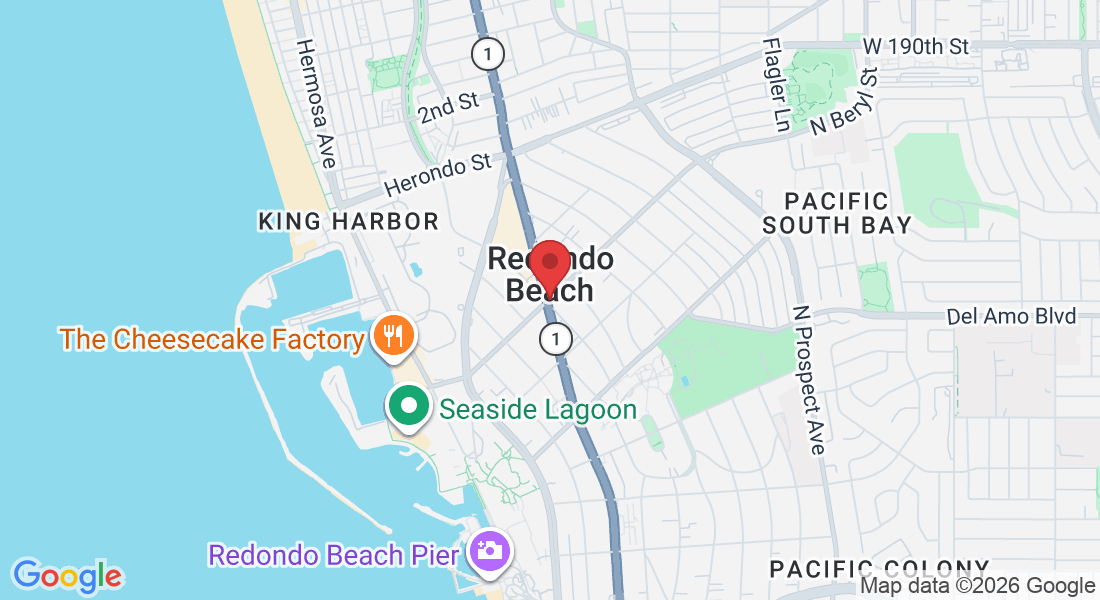
Location
https://www.google.com/maps/embed?pb=!1m18!1m12!1m3!1d429155.3376406009!2d-117.43861812897623!3d32.82469764779043!2m3!1f0!2f0!3f0!3m2!1i1024!2i768!4f13.1!3m3!1m2!1s0x80d9530fad921e4b%3A0xd3a21fdfd15df79!2sSan%20Diego%2C%20CA%2C%20USA!5e0!3m2!1sen!2sph!4v1710098235283!5m2!1sen!2sph

Facebook
Instagram
LinkedIn
Youtube
Website