There's So Much Happening Here
Welcome to
San Diego Neighborhood Experts
There's So Much Happening Here...

LOCAL AMBASSADOR
Thomas J. Nelson
Welcome, my friends, to San Diego Neighborhood Experts, your one-stop shop for all things local! Here, we bring you exclusive interviews with our beloved neighborhood businesses, the latest happenings in San Diego, fresh events to look out for, and of course, juicy tidbits about the ever-exciting real estate market. Stay classy, San Diego!
My mission is to inspire growth and cultivate financial freedom by delivering exceptional real estate services. As a perpetual learner and explorer, I serve others with energy and focus, using pragmatic communication and a global perspective to create deep connections and make a meaningful impact. A treasure hunter at heart, I embrace every opportunity to motivate and empower those I serve and achieve success in all our ventures.


San Diego Neighborhood Experts Podcast
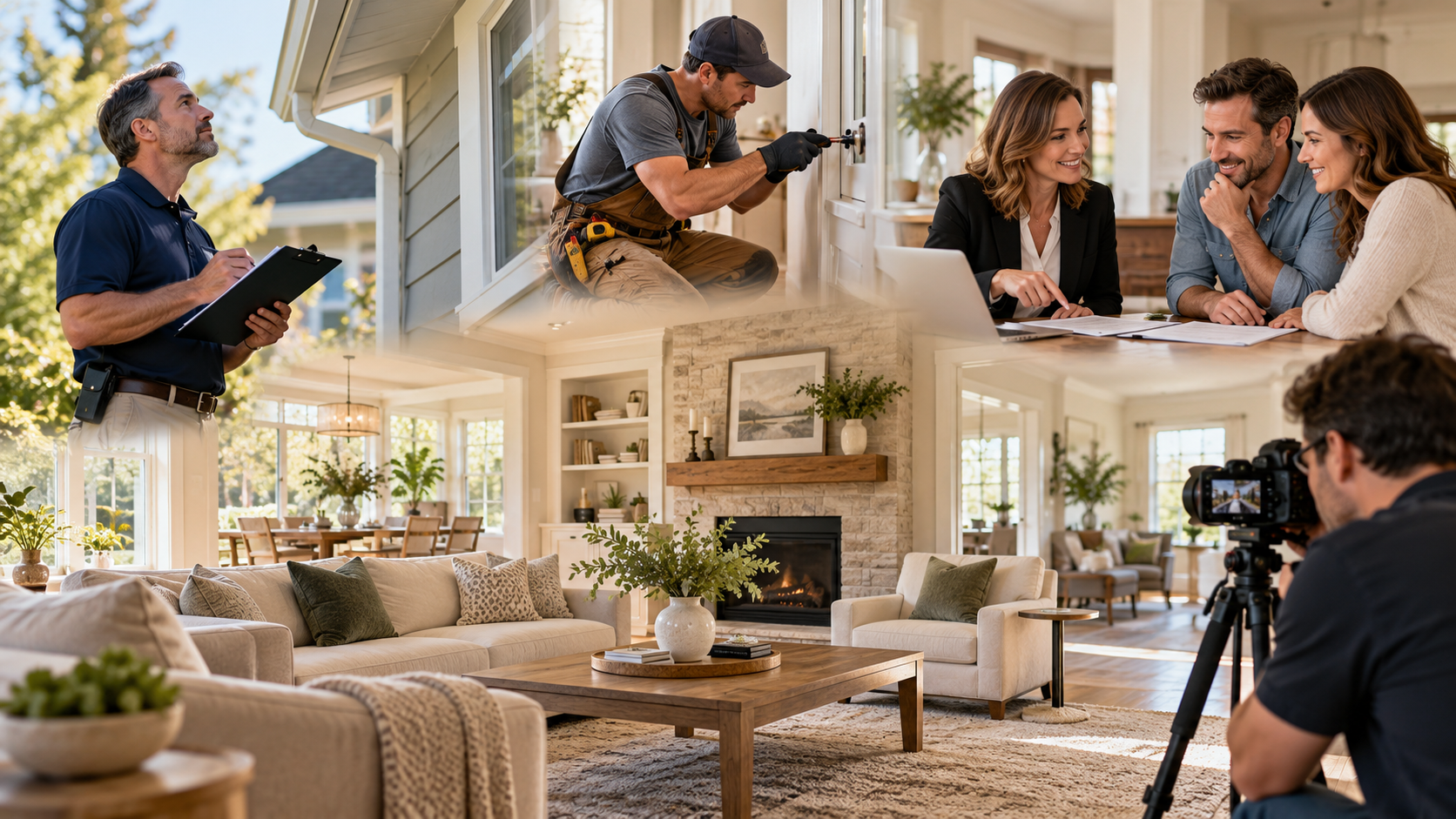
Want Top Dollar for Your Home? Don't Skip These 6 Steps!
Want Top Dollar for Your Home?
Don't Skip These 6 Steps!
After more than 27 years of selling real estate, I've learned that getting top dollar isn't just about the market.
It's about how well you prepare your home to compete in that market.
I recommend these six steps to every seller I represent. A few of my sellers disregarded what you're about to read and paid more in time, carrying costs and reduced price, than had they spent the few dollars up front.
But, luckily most take my advice, and they benefit from it because there's a good reason for each one.
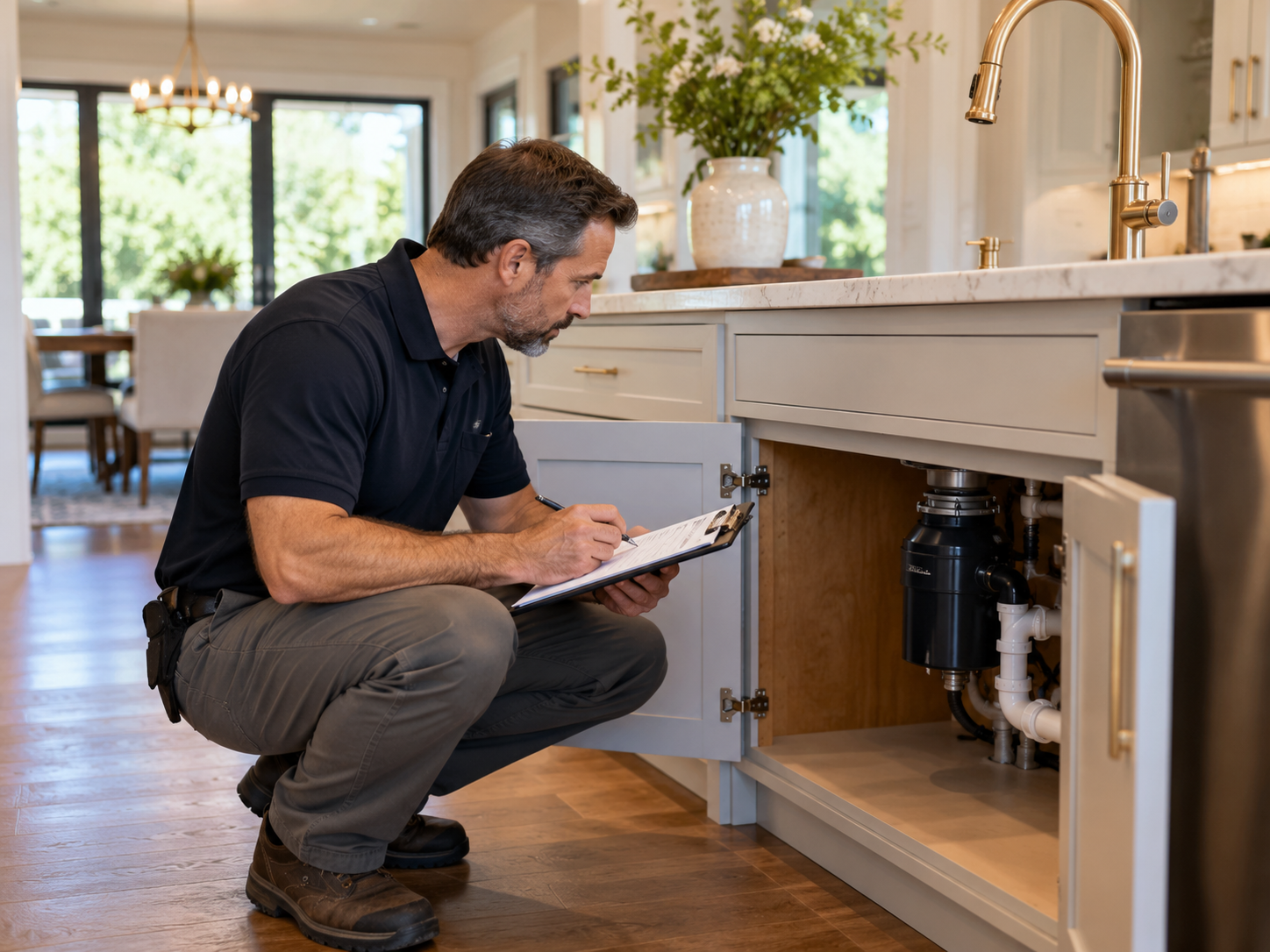
1. INSPECTIONS: Discover the Problems Before Buyers Do
Before doing anything else, consider having your property and pest inspections completed.
What's the actual condition of your home? What problems are hiding behind the walls, beneath the floors, or in places you haven't looked in years?
Pre-listing inspections help uncover the unknown and confirm what you may already suspect. That gives you time to make repairs, obtain estimates, or prepare to negotiate those issues before your home hits the market.
Here's the real advantage: Buyers who review inspections and disclosures before writing an offer know more about what they're buying. That can mean greater confidence, fewer surprises, and a stronger commitment to closing.
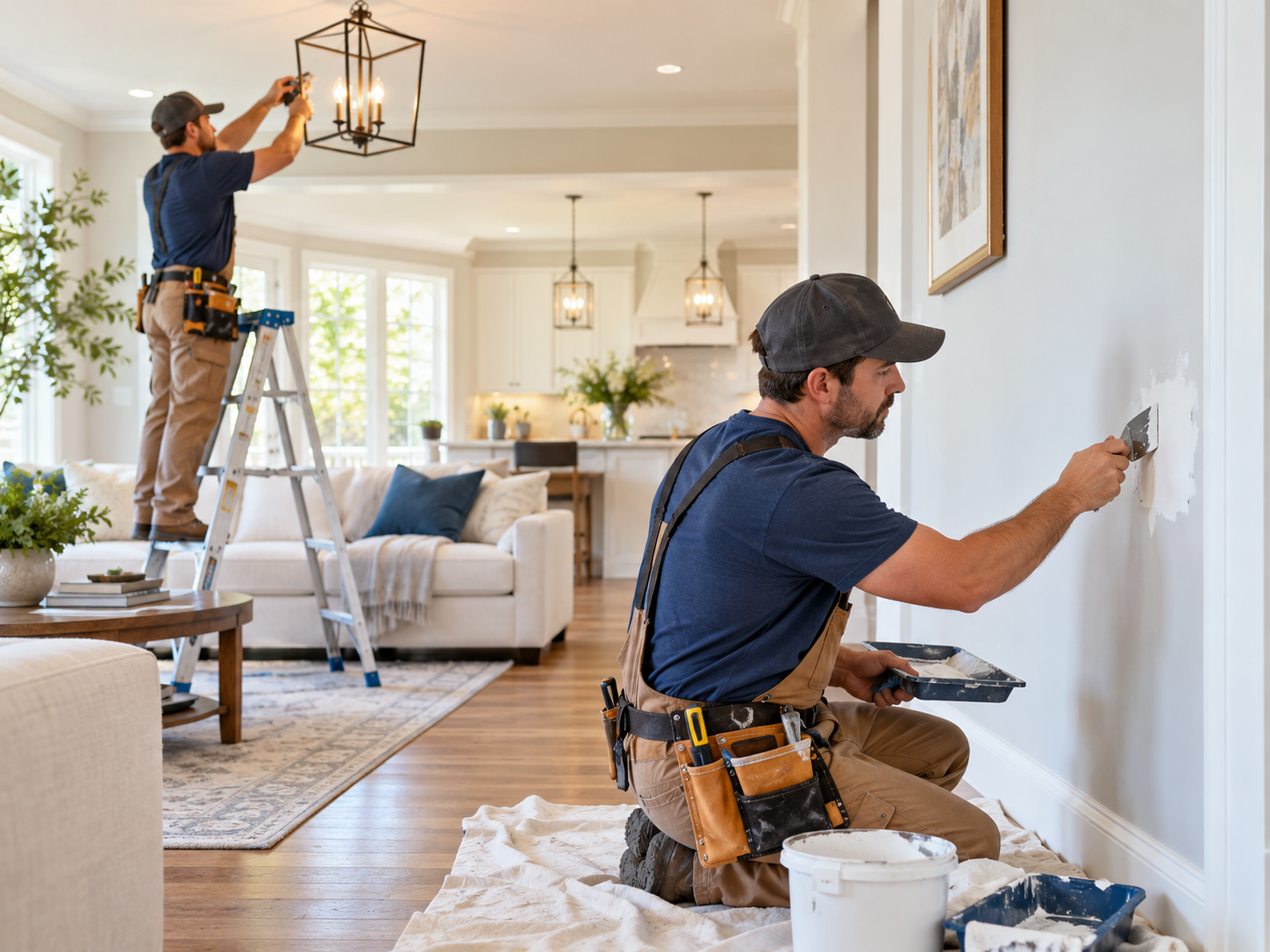
2. REPAIRS: Fix It Now or Negotiate It Later
Deferred maintenance rarely gets cheaper once you're in escrow.
Why? Because a repair you could have addressed on your own schedule can become a rushed negotiation involving contractors, buyer concerns, and closing deadlines.
Visible maintenance issues also shrink your buyer pool. Buyers start wondering what else hasn't been maintained, and their offers may reflect those concerns.
Even worse, surprises discovered during escrow can lead to expensive credits, renegotiations, or a canceled sale.
Think about the difference between discovering a leaking pipe and wondering whether there's hidden mold. Or identifying a loose post-and-pier connection versus worrying about a cracked cripple wall.
Uncertainty creates fear, and fearful buyers tend to negotiate harder or walk away.

3. CLEANING: Make It Look, Feel, and Smell Loved
This one's simple, but it's amazing how often sellers overlook it.
Does your home look clean? Smell clean? Feel welcoming?
Is it free of clutter, dust, odors, and the accumulated belongings of everyday life?
Buyers should be noticing your home's best features, not wondering when someone last cleaned the baseboards.
A spotless home sends a powerful message: This property has been cared for.
And that impression begins the moment buyers walk through the front door.
4. STAGING: Help Buyers See a Home, Not Just a Floor Plan
If you're living in your home while you sell it, you can still benefit from a stagers advice using your own furniture and decor. Empty rooms don't always tell their own story.
Without furniture, or with too much furniture, buyers may struggle to understand a room's size, purpose, or possibilities. Worse, with nothing else to look at in an empty room, their attention often shifts toward imperfections in the walls, floors, kitchens, and bathrooms. Looking at oversized or to much furniture will make the rooms seem smaller and uninviting.
Professional staging helps define spaces, establish scale, and create an emotional connection.
The goal isn't to decorate according to your personal taste. It's to create a neutral, inviting environment that helps buyers imagine their own lives unfolding there.
You're not just selling square footage. You're helping buyers envision living in it.

5. PROFESSIONAL PHOTOGRAPHY: Put Down the iPhone! 📱😂
You're paying a professional real estate agent a professional fee. Professional marketing should be part of the service!
One of the first things that begins with professional photography.
Depending on the property, my preferred marketing package includes:
At least 25 high-quality photographs, when the property's square footage warrants them, even more.
Professional property video
A measured 2D floor plan
A 3D floor plan or Matterport virtual walkthrough
Drone photography or video when appropriate
Virtual staging for vacant spaces when beneficial
Twilight photography to showcase exterior lighting and atmosphere
Why does this matter?
Because today's buyers often experience your home online before deciding whether it's worth visiting in person.
And out-of-area buyers may rely heavily on videos, floor plans, and 3D virtual tours to understand the property before making travel arrangements.
Your first showing isn't typically at your front door. Statistically over 90% of the time, it's on a screen. Make it count!

6. PRICE IT RIGHT: The One Too Many Sellers Get Wrong!
Here's where excellent preparation and marketing can be undone by one bad decision.
"We'll try this price and lower it if it doesn't sell." Famous last words! 🤦♂️
Your home doesn't exist in a vacuum, and buyers aren't comparing it only to what sold six months ago.
In a strong seller's market, recent comparable sales often provide an excellent pricing foundation.
In a balanced or buyer's market, your ACTIVE COMPETITION becomes especially important. Buyers are comparing your home against what they can purchase RIGHT NOW. The comps become (almost) irrelevant.
Hunters vs. Shoppers: here's what many sellers don't understand: Your first 21 days or first three weekends are often your most valuable marketing window.
That's when your new listing is attracting attention from buyers who've already been house hunting, know the competition, have their financing ready, and are eager to make a decision. After that you get the "shoppers" and the newbies that take much longer to decide and cost you days on market.
Miss that initial window with an unrealistic price, and you may spend the following weeks chasing the market with price reductions.
You can still find an excellent buyer later, of course. But you can't recreate the excitement of being the newest, best-positioned listing in your price range.
Price to compete, not to test the market.
THE BOTTOM LINE
Inspections uncover surprises and disclosures build confidence. Repairs eliminate objections. Cleaning builds a great first impression. Staging creates emotional appeal. Professional marketing attracts attention. And strategic pricing turns that attention into offers. None of these steps guarantees a particular price, but together they position your home to compete at its very best.
The market determines what buyers are willing to pay. Your preparation and pricing strategy help determine whether they're willing to pay it for YOUR home.
It's a Good Life! 🏡 Thomas J. Nelson, REALTOR®

Want Top Dollar for Your Home? Don't Skip These 6 Steps!
Want Top Dollar for Your Home?
Don't Skip These 6 Steps!
After more than 27 years of selling real estate, I've learned that getting top dollar isn't just about the market.
It's about how well you prepare your home to compete in that market.
I recommend these six steps to every seller I represent. A few of my sellers disregarded what you're about to read and paid more in time, carrying costs and reduced price, than had they spent the few dollars up front.
But, luckily most take my advice, and they benefit from it because there's a good reason for each one.
1. INSPECTIONS: Discover the Problems Before Buyers Do
Before doing anything else, consider having your property and pest inspections completed.
What's the actual condition of your home? What problems are hiding behind the walls, beneath the floors, or in places you haven't looked in years?
Pre-listing inspections help uncover the unknown and confirm what you may already suspect. That gives you time to make repairs, obtain estimates, or prepare to negotiate those issues before your home hits the market.
Here's the real advantage: Buyers who review inspections and disclosures before writing an offer know more about what they're buying. That can mean greater confidence, fewer surprises, and a stronger commitment to closing.
2. REPAIRS: Fix It Now or Negotiate It Later
Deferred maintenance rarely gets cheaper once you're in escrow.
Why? Because a repair you could have addressed on your own schedule can become a rushed negotiation involving contractors, buyer concerns, and closing deadlines.
Visible maintenance issues also shrink your buyer pool. Buyers start wondering what else hasn't been maintained, and their offers may reflect those concerns.
Even worse, surprises discovered during escrow can lead to expensive credits, renegotiations, or a canceled sale.
Think about the difference between discovering a leaking pipe and wondering whether there's hidden mold. Or identifying a loose post-and-pier connection versus worrying about a cracked cripple wall.
Uncertainty creates fear, and fearful buyers tend to negotiate harder or walk away.
3. CLEANING: Make It Look, Feel, and Smell Loved
This one's simple, but it's amazing how often sellers overlook it.
Does your home look clean? Smell clean? Feel welcoming?
Is it free of clutter, dust, odors, and the accumulated belongings of everyday life?
Buyers should be noticing your home's best features, not wondering when someone last cleaned the baseboards.
A spotless home sends a powerful message: This property has been cared for.
And that impression begins the moment buyers walk through the front door.
4. STAGING: Help Buyers See a Home, Not Just a Floor Plan
If you're living in your home while you sell it, you can still benefit from a stagers advice using your own furniture and decor. Empty rooms don't always tell their own story.
Without furniture, or with too much furniture, buyers may struggle to understand a room's size, purpose, or possibilities. Worse, with nothing else to look at in an empty room, their attention often shifts toward imperfections in the walls, floors, kitchens, and bathrooms. Looking at oversized or to much furniture will make the rooms seem smaller and uninviting.
Professional staging helps define spaces, establish scale, and create an emotional connection.
The goal isn't to decorate according to your personal taste. It's to create a neutral, inviting environment that helps buyers imagine their own lives unfolding there.
You're not just selling square footage. You're helping buyers envision living in it.
5. PROFESSIONAL PHOTOGRAPHY: Put Down the iPhone! 📱😂
You're paying a professional real estate agent a professional fee. Professional marketing should be part of the service!
One of the first things that begins with professional photography.
Depending on the property, my preferred marketing package includes:
At least 25 high-quality photographs, when the property's square footage warrants them, even more.
Professional property video
A measured 2D floor plan
A 3D floor plan or Matterport virtual walkthrough
Drone photography or video when appropriate
Virtual staging for vacant spaces when beneficial
Twilight photography to showcase exterior lighting and atmosphere
Why does this matter?
Because today's buyers often experience your home online before deciding whether it's worth visiting in person.
And out-of-area buyers may rely heavily on videos, floor plans, and 3D virtual tours to understand the property before making travel arrangements.
Your first showing isn't typically at your front door. Statistically over 90% of the time, it's on a screen. Make it count!
6. PRICE IT RIGHT: The One Too Many Sellers Get Wrong!
Here's where excellent preparation and marketing can be undone by one bad decision.
"We'll try this price and lower it if it doesn't sell." Famous last words! 🤦♂️
Your home doesn't exist in a vacuum, and buyers aren't comparing it only to what sold six months ago.
In a strong seller's market, recent comparable sales often provide an excellent pricing foundation.
In a balanced or buyer's market, your ACTIVE COMPETITION becomes especially important. Buyers are comparing your home against what they can purchase RIGHT NOW. The comps become (almost) irrelevant.
Hunters vs. Shoppers: here's what many sellers don't understand: Your first 21 days or first three weekends are often your most valuable marketing window.
That's when your new listing is attracting attention from buyers who've already been house hunting, know the competition, have their financing ready, and are eager to make a decision. After that you get the "shoppers" and the newbies that take much longer to decide and cost you days on market.
Miss that initial window with an unrealistic price, and you may spend the following weeks chasing the market with price reductions.
You can still find an excellent buyer later, of course. But you can't recreate the excitement of being the newest, best-positioned listing in your price range.
Price to compete, not to test the market.
THE BOTTOM LINE
Inspections uncover surprises and disclosures build confidence. Repairs eliminate objections. Cleaning builds a great first impression. Staging creates emotional appeal. Professional marketing attracts attention. And strategic pricing turns that attention into offers. None of these steps guarantees a particular price, but together they position your home to compete at its very best.
The market determines what buyers are willing to pay. Your preparation and pricing strategy help determine whether they're willing to pay it for YOUR home.
It's a Good Life! 🏡 Thomas J. Nelson, REALTOR®

San Diego Neighborhood Experts is a FREE community initiative to help locals get to know each other and encourage everyone to shop local!
Apply to have your business interviewed and featured on the podcast for free!
San Diego Blogs
Want Top Dollar for Your Home? Don't Skip These 6 Steps!
Want Top Dollar for Your Home?
Don't Skip These 6 Steps!
After more than 27 years of selling real estate, I've learned that getting top dollar isn't just about the market.
It's about how well you prepare your home to compete in that market.
I recommend these six steps to every seller I represent. A few of my sellers disregarded what you're about to read and paid more in time, carrying costs and reduced price, than had they spent the few dollars up front.
But, luckily most take my advice, and they benefit from it because there's a good reason for each one.
1. INSPECTIONS: Discover the Problems Before Buyers Do
Before doing anything else, consider having your property and pest inspections completed.
What's the actual condition of your home? What problems are hiding behind the walls, beneath the floors, or in places you haven't looked in years?
Pre-listing inspections help uncover the unknown and confirm what you may already suspect. That gives you time to make repairs, obtain estimates, or prepare to negotiate those issues before your home hits the market.
Here's the real advantage: Buyers who review inspections and disclosures before writing an offer know more about what they're buying. That can mean greater confidence, fewer surprises, and a stronger commitment to closing.
2. REPAIRS: Fix It Now or Negotiate It Later
Deferred maintenance rarely gets cheaper once you're in escrow.
Why? Because a repair you could have addressed on your own schedule can become a rushed negotiation involving contractors, buyer concerns, and closing deadlines.
Visible maintenance issues also shrink your buyer pool. Buyers start wondering what else hasn't been maintained, and their offers may reflect those concerns.
Even worse, surprises discovered during escrow can lead to expensive credits, renegotiations, or a canceled sale.
Think about the difference between discovering a leaking pipe and wondering whether there's hidden mold. Or identifying a loose post-and-pier connection versus worrying about a cracked cripple wall.
Uncertainty creates fear, and fearful buyers tend to negotiate harder or walk away.
3. CLEANING: Make It Look, Feel, and Smell Loved
This one's simple, but it's amazing how often sellers overlook it.
Does your home look clean? Smell clean? Feel welcoming?
Is it free of clutter, dust, odors, and the accumulated belongings of everyday life?
Buyers should be noticing your home's best features, not wondering when someone last cleaned the baseboards.
A spotless home sends a powerful message: This property has been cared for.
And that impression begins the moment buyers walk through the front door.
4. STAGING: Help Buyers See a Home, Not Just a Floor Plan
If you're living in your home while you sell it, you can still benefit from a stagers advice using your own furniture and decor. Empty rooms don't always tell their own story.
Without furniture, or with too much furniture, buyers may struggle to understand a room's size, purpose, or possibilities. Worse, with nothing else to look at in an empty room, their attention often shifts toward imperfections in the walls, floors, kitchens, and bathrooms. Looking at oversized or to much furniture will make the rooms seem smaller and uninviting.
Professional staging helps define spaces, establish scale, and create an emotional connection.
The goal isn't to decorate according to your personal taste. It's to create a neutral, inviting environment that helps buyers imagine their own lives unfolding there.
You're not just selling square footage. You're helping buyers envision living in it.
5. PROFESSIONAL PHOTOGRAPHY: Put Down the iPhone! 📱😂
You're paying a professional real estate agent a professional fee. Professional marketing should be part of the service!
One of the first things that begins with professional photography.
Depending on the property, my preferred marketing package includes:
At least 25 high-quality photographs, when the property's square footage warrants them, even more.
Professional property video
A measured 2D floor plan
A 3D floor plan or Matterport virtual walkthrough
Drone photography or video when appropriate
Virtual staging for vacant spaces when beneficial
Twilight photography to showcase exterior lighting and atmosphere
Why does this matter?
Because today's buyers often experience your home online before deciding whether it's worth visiting in person.
And out-of-area buyers may rely heavily on videos, floor plans, and 3D virtual tours to understand the property before making travel arrangements.
Your first showing isn't typically at your front door. Statistically over 90% of the time, it's on a screen. Make it count!
6. PRICE IT RIGHT: The One Too Many Sellers Get Wrong!
Here's where excellent preparation and marketing can be undone by one bad decision.
"We'll try this price and lower it if it doesn't sell." Famous last words! 🤦♂️
Your home doesn't exist in a vacuum, and buyers aren't comparing it only to what sold six months ago.
In a strong seller's market, recent comparable sales often provide an excellent pricing foundation.
In a balanced or buyer's market, your ACTIVE COMPETITION becomes especially important. Buyers are comparing your home against what they can purchase RIGHT NOW. The comps become (almost) irrelevant.
Hunters vs. Shoppers: here's what many sellers don't understand: Your first 21 days or first three weekends are often your most valuable marketing window.
That's when your new listing is attracting attention from buyers who've already been house hunting, know the competition, have their financing ready, and are eager to make a decision. After that you get the "shoppers" and the newbies that take much longer to decide and cost you days on market.
Miss that initial window with an unrealistic price, and you may spend the following weeks chasing the market with price reductions.
You can still find an excellent buyer later, of course. But you can't recreate the excitement of being the newest, best-positioned listing in your price range.
Price to compete, not to test the market.
THE BOTTOM LINE
Inspections uncover surprises and disclosures build confidence. Repairs eliminate objections. Cleaning builds a great first impression. Staging creates emotional appeal. Professional marketing attracts attention. And strategic pricing turns that attention into offers. None of these steps guarantees a particular price, but together they position your home to compete at its very best.
The market determines what buyers are willing to pay. Your preparation and pricing strategy help determine whether they're willing to pay it for YOUR home.
It's a Good Life! 🏡 Thomas J. Nelson, REALTOR®

https://storage.googleapis.com/msgsndr/LGvMHSpjamZ678AUgrJY/media/65ed25120013ad8189925cc4.jpeg
#58BB47
#0000FF
https://storage.googleapis.com/msgsndr/LGvMHSpjamZ678AUgrJY/media/663e5366699c7e1eb628841a.jpeg
https://www.google.com/maps/embed?pb=!1m18!1m12!1m3!1d429155.3376406009!2d-117.43861812897623!3d32.82469764779043!2m3!1f0!2f0!3f0!3m2!1i1024!2i768!4f13.1!3m3!1m2!1s0x80d9530fad921e4b%3A0xd3a21fdfd15df79!2sSan%20Diego%2C%20CA%2C%20USA!5e0!3m2!1sen!2sph!4v1710098235283!5m2!1sen!2sph
Thank you for visiting
San Diego
Contact Info
Address
8895 Towne Centre Dr. Ste 105 PMB 436, San Diego, CA 92122-5542
Phone
+18582328722
Location
https://www.google.com/maps/embed?pb=!1m18!1m12!1m3!1d429155.3376406009!2d-117.43861812897623!3d32.82469764779043!2m3!1f0!2f0!3f0!3m2!1i1024!2i768!4f13.1!3m3!1m2!1s0x80d9530fad921e4b%3A0xd3a21fdfd15df79!2sSan%20Diego%2C%20CA%2C%20USA!5e0!3m2!1sen!2sph!4v1710098235283!5m2!1sen!2sph