There's So Much Happening Here
Welcome to
San Diego Neighborhood Experts
There's So Much Happening Here...

LOCAL AMBASSADOR
Thomas J. Nelson
Welcome, my friends, to San Diego Neighborhood Experts, your one-stop shop for all things local! Here, we bring you exclusive interviews with our beloved neighborhood businesses, the latest happenings in San Diego, fresh events to look out for, and of course, juicy tidbits about the ever-exciting real estate market. Stay classy, San Diego!
My mission is to inspire growth and cultivate financial freedom by delivering exceptional real estate services. As a perpetual learner and explorer, I serve others with energy and focus, using pragmatic communication and a global perspective to create deep connections and make a meaningful impact. A treasure hunter at heart, I embrace every opportunity to motivate and empower those I serve and achieve success in all our ventures.


San Diego Neighborhood Experts Podcast

Divorcing? Don’t Fight for the House Until You Know These 5 Things
Selling a Property While Going Through a Divorce
I had to sell property during my own divorce more than 26 years ago, and it was painful. There was fear, loss, anger and the overwhelming thought of having to start over. At the time, starting over felt like more than I could bear.
In hindsight, I made emotional decisions, which led to emotional mistakes.
What would have served me better was good information, professional guidance and a little more faith in myself: “I did it once. I can do it again.” That mindset would have saved me considerable expense, stress and heartache.
You live and learn.
Today, I’m an RCS-D™ REALTOR®, a Real Estate Collaboration Specialist – Divorce™, combining my own experience of going through divorce with a child, property and plenty of hurt feelings, with some of the most valuable professional training I’ve received during my more than 27 years in real estate. There are very few The RCS-D's in San Diego, and I believe its in part due to The RCS-D™ program specifically trains real estate and mortgage professionals to work collaboratively around the complicated real estate issues that can arise during divorce. (Divorce This House). It may sound odd, but I believe you can't fathom the pain of divorce unless you've been through divorce, and I do not wish that on anyone!

And one lesson stands above the rest:
Before You Fight to Keep the House, Find Out Whether Keeping It Actually Makes Sense
The marital home can represent security, memories, stability for the children and a connection to the life you thought you were going to have. That makes it very easy to fight for the house emotionally before determining whether keeping it works financially.
Before agreeing to keep the property, I recommend answering these five questions:
1. Can you actually afford the house on your own?
Talk with a qualified mortgage professional before negotiating to keep the property. If both spouses are obligated on the current mortgage, a divorce decree alone generally does not remove either person's responsibility to the lender. Depending on the loan, you may need to refinance, but an assumption and release of liability may also be possible. (Consumer Financial Protection Bureau)
And don't look only at today's mortgage payment. Consider property taxes, insurance, HOA fees, utilities, maintenance and future repairs against your new post-divorce income and expenses.
2. Do you really know what's attached to the property?
Have a title company review the property's title and recorded encumbrances. Don't assume that because you know about the mortgage, you know about everything affecting title.
There could be an undisclosed tax lien, judgment lien, mechanics lien, HELOC or another recorded claim or encumbrance that needs to be addressed. California's Department of Real Estate notes that a preliminary title report can disclose liens, assessments, taxes, easements and other matters of record. (California Department of Real Estate)
This isn't theoretical. Federal and California tax liens can attach to real property and interfere with a sale, refinance or transfer. (State of California Franchise Tax Board)
3. What condition is the house really in?
Consider having a professional property inspection performed before you agree to take the house as part of the settlement.
You may love the house and still have no idea what's happening on the roof, inside the electrical panel, under the plumbing fixtures or behind that weekend DIY project your spouse swore was “almost finished.”
Deferred maintenance doesn't disappear in the divorce. It becomes the responsibility of whoever keeps the house.
4. What is the property actually worth in today's market?
Have an experienced local REALTOR® prepare a professional market analysis before agreeing upon a value.
An automated online valuation is not enough for something this important. Algorithms don't walk through the property, evaluate its condition, understand its improvements or account for the hyperlocal differences that can separate one home from another.
You shouldn't negotiate one of the largest assets in your divorce based on an internet estimate.
5. Should you obtain an independent appraisal?
Depending on the circumstances, an independent appraisal can provide another professional opinion of value and may be especially useful when the spouses disagree about the property's worth.
But here's an important distinction: an appraisal does not tell you how much a lender will ultimately lend you. It evaluates the property's value as collateral. Your ability to obtain financing will also depend on income, credit, debts, loan program, loan-to-value requirements and underwriting.

The Bigger Question Isn't “Can I Keep My House?”
It's:
“Does keeping this house still make sense for the life and finances I'm going to have after the divorce?”
Before fighting to keep it, understand three things:
Can you afford it?
Is the title clean and understood?
Can you afford the property's present and future condition?
Both spouses' financial lives are likely to change after a divorce. What worked with two incomes, one household and shared expenses may not work when those resources are divided between two households.
Sometimes keeping the house is absolutely the right decision.
Sometimes selling it and preserving your equity, credit and ability to purchase again is the smarter one.
The house holds memories. Your financial future shouldn't be held hostage by them.
I learned that lesson personally more than 26 years ago. Today, I get to use both that experience and specialized training to help other people make these decisions with considerably more information than I had at the time.
Real estate guidance during divorce should be coordinated with your family-law attorney, mortgage professional and, when appropriate, your tax and financial advisors. A REALTOR® provides real estate expertise, not legal or tax advice.


Divorcing? Don’t Fight for the House Until You Know These 5 Things
Selling a Property While Going Through a Divorce
I had to sell property during my own divorce more than 26 years ago, and it was painful. There was fear, loss, anger and the overwhelming thought of having to start over. At the time, starting over felt like more than I could bear.
In hindsight, I made emotional decisions, which led to emotional mistakes.
What would have served me better was good information, professional guidance and a little more faith in myself: “I did it once. I can do it again.” That mindset would have saved me considerable expense, stress and heartache.
You live and learn.
Today, I’m an RCS-D™ REALTOR®, a Real Estate Collaboration Specialist – Divorce™, combining my own experience of going through divorce with a child, property and plenty of hurt feelings, with some of the most valuable professional training I’ve received during my more than 27 years in real estate. There are very few The RCS-D's in San Diego, and I believe its in part due to The RCS-D™ program specifically trains real estate and mortgage professionals to work collaboratively around the complicated real estate issues that can arise during divorce. (Divorce This House). It may sound odd, but I believe you can't fathom the pain of divorce unless you've been through divorce, and I do not wish that on anyone!
And one lesson stands above the rest:
Before You Fight to Keep the House, Find Out Whether Keeping It Actually Makes Sense
The marital home can represent security, memories, stability for the children and a connection to the life you thought you were going to have. That makes it very easy to fight for the house emotionally before determining whether keeping it works financially.
Before agreeing to keep the property, I recommend answering these five questions:
1. Can you actually afford the house on your own?
Talk with a qualified mortgage professional before negotiating to keep the property. If both spouses are obligated on the current mortgage, a divorce decree alone generally does not remove either person's responsibility to the lender. Depending on the loan, you may need to refinance, but an assumption and release of liability may also be possible. (Consumer Financial Protection Bureau)
And don't look only at today's mortgage payment. Consider property taxes, insurance, HOA fees, utilities, maintenance and future repairs against your new post-divorce income and expenses.
2. Do you really know what's attached to the property?
Have a title company review the property's title and recorded encumbrances. Don't assume that because you know about the mortgage, you know about everything affecting title.
There could be an undisclosed tax lien, judgment lien, mechanics lien, HELOC or another recorded claim or encumbrance that needs to be addressed. California's Department of Real Estate notes that a preliminary title report can disclose liens, assessments, taxes, easements and other matters of record. (California Department of Real Estate)
This isn't theoretical. Federal and California tax liens can attach to real property and interfere with a sale, refinance or transfer. (State of California Franchise Tax Board)
3. What condition is the house really in?
Consider having a professional property inspection performed before you agree to take the house as part of the settlement.
You may love the house and still have no idea what's happening on the roof, inside the electrical panel, under the plumbing fixtures or behind that weekend DIY project your spouse swore was “almost finished.”
Deferred maintenance doesn't disappear in the divorce. It becomes the responsibility of whoever keeps the house.
4. What is the property actually worth in today's market?
Have an experienced local REALTOR® prepare a professional market analysis before agreeing upon a value.
An automated online valuation is not enough for something this important. Algorithms don't walk through the property, evaluate its condition, understand its improvements or account for the hyperlocal differences that can separate one home from another.
You shouldn't negotiate one of the largest assets in your divorce based on an internet estimate.
5. Should you obtain an independent appraisal?
Depending on the circumstances, an independent appraisal can provide another professional opinion of value and may be especially useful when the spouses disagree about the property's worth.
But here's an important distinction: an appraisal does not tell you how much a lender will ultimately lend you. It evaluates the property's value as collateral. Your ability to obtain financing will also depend on income, credit, debts, loan program, loan-to-value requirements and underwriting.
The Bigger Question Isn't “Can I Keep My House?”
It's:
“Does keeping this house still make sense for the life and finances I'm going to have after the divorce?”
Before fighting to keep it, understand three things:
Can you afford it?
Is the title clean and understood?
Can you afford the property's present and future condition?
Both spouses' financial lives are likely to change after a divorce. What worked with two incomes, one household and shared expenses may not work when those resources are divided between two households.
Sometimes keeping the house is absolutely the right decision.
Sometimes selling it and preserving your equity, credit and ability to purchase again is the smarter one.
The house holds memories. Your financial future shouldn't be held hostage by them.
I learned that lesson personally more than 26 years ago. Today, I get to use both that experience and specialized training to help other people make these decisions with considerably more information than I had at the time.
Real estate guidance during divorce should be coordinated with your family-law attorney, mortgage professional and, when appropriate, your tax and financial advisors. A REALTOR® provides real estate expertise, not legal or tax advice.

San Diego Neighborhood Experts is a FREE community initiative to help locals get to know each other and encourage everyone to shop local!
Apply to have your business interviewed and featured on the podcast for free!
San Diego Blogs
Divorcing? Don’t Fight for the House Until You Know These 5 Things
Selling a Property While Going Through a Divorce
I had to sell property during my own divorce more than 26 years ago, and it was painful. There was fear, loss, anger and the overwhelming thought of having to start over. At the time, starting over felt like more than I could bear.
In hindsight, I made emotional decisions, which led to emotional mistakes.
What would have served me better was good information, professional guidance and a little more faith in myself: “I did it once. I can do it again.” That mindset would have saved me considerable expense, stress and heartache.
You live and learn.
Today, I’m an RCS-D™ REALTOR®, a Real Estate Collaboration Specialist – Divorce™, combining my own experience of going through divorce with a child, property and plenty of hurt feelings, with some of the most valuable professional training I’ve received during my more than 27 years in real estate. There are very few The RCS-D's in San Diego, and I believe its in part due to The RCS-D™ program specifically trains real estate and mortgage professionals to work collaboratively around the complicated real estate issues that can arise during divorce. (Divorce This House). It may sound odd, but I believe you can't fathom the pain of divorce unless you've been through divorce, and I do not wish that on anyone!
And one lesson stands above the rest:
Before You Fight to Keep the House, Find Out Whether Keeping It Actually Makes Sense
The marital home can represent security, memories, stability for the children and a connection to the life you thought you were going to have. That makes it very easy to fight for the house emotionally before determining whether keeping it works financially.
Before agreeing to keep the property, I recommend answering these five questions:
1. Can you actually afford the house on your own?
Talk with a qualified mortgage professional before negotiating to keep the property. If both spouses are obligated on the current mortgage, a divorce decree alone generally does not remove either person's responsibility to the lender. Depending on the loan, you may need to refinance, but an assumption and release of liability may also be possible. (Consumer Financial Protection Bureau)
And don't look only at today's mortgage payment. Consider property taxes, insurance, HOA fees, utilities, maintenance and future repairs against your new post-divorce income and expenses.
2. Do you really know what's attached to the property?
Have a title company review the property's title and recorded encumbrances. Don't assume that because you know about the mortgage, you know about everything affecting title.
There could be an undisclosed tax lien, judgment lien, mechanics lien, HELOC or another recorded claim or encumbrance that needs to be addressed. California's Department of Real Estate notes that a preliminary title report can disclose liens, assessments, taxes, easements and other matters of record. (California Department of Real Estate)
This isn't theoretical. Federal and California tax liens can attach to real property and interfere with a sale, refinance or transfer. (State of California Franchise Tax Board)
3. What condition is the house really in?
Consider having a professional property inspection performed before you agree to take the house as part of the settlement.
You may love the house and still have no idea what's happening on the roof, inside the electrical panel, under the plumbing fixtures or behind that weekend DIY project your spouse swore was “almost finished.”
Deferred maintenance doesn't disappear in the divorce. It becomes the responsibility of whoever keeps the house.
4. What is the property actually worth in today's market?
Have an experienced local REALTOR® prepare a professional market analysis before agreeing upon a value.
An automated online valuation is not enough for something this important. Algorithms don't walk through the property, evaluate its condition, understand its improvements or account for the hyperlocal differences that can separate one home from another.
You shouldn't negotiate one of the largest assets in your divorce based on an internet estimate.
5. Should you obtain an independent appraisal?
Depending on the circumstances, an independent appraisal can provide another professional opinion of value and may be especially useful when the spouses disagree about the property's worth.
But here's an important distinction: an appraisal does not tell you how much a lender will ultimately lend you. It evaluates the property's value as collateral. Your ability to obtain financing will also depend on income, credit, debts, loan program, loan-to-value requirements and underwriting.
The Bigger Question Isn't “Can I Keep My House?”
It's:
“Does keeping this house still make sense for the life and finances I'm going to have after the divorce?”
Before fighting to keep it, understand three things:
Can you afford it?
Is the title clean and understood?
Can you afford the property's present and future condition?
Both spouses' financial lives are likely to change after a divorce. What worked with two incomes, one household and shared expenses may not work when those resources are divided between two households.
Sometimes keeping the house is absolutely the right decision.
Sometimes selling it and preserving your equity, credit and ability to purchase again is the smarter one.
The house holds memories. Your financial future shouldn't be held hostage by them.
I learned that lesson personally more than 26 years ago. Today, I get to use both that experience and specialized training to help other people make these decisions with considerably more information than I had at the time.
Real estate guidance during divorce should be coordinated with your family-law attorney, mortgage professional and, when appropriate, your tax and financial advisors. A REALTOR® provides real estate expertise, not legal or tax advice.

https://storage.googleapis.com/msgsndr/LGvMHSpjamZ678AUgrJY/media/65ed25120013ad8189925cc4.jpeg
#58BB47
#0000FF
https://storage.googleapis.com/msgsndr/LGvMHSpjamZ678AUgrJY/media/663e5366699c7e1eb628841a.jpeg
https://www.google.com/maps/embed?pb=!1m18!1m12!1m3!1d429155.3376406009!2d-117.43861812897623!3d32.82469764779043!2m3!1f0!2f0!3f0!3m2!1i1024!2i768!4f13.1!3m3!1m2!1s0x80d9530fad921e4b%3A0xd3a21fdfd15df79!2sSan%20Diego%2C%20CA%2C%20USA!5e0!3m2!1sen!2sph!4v1710098235283!5m2!1sen!2sph
Thank you for visiting
San Diego
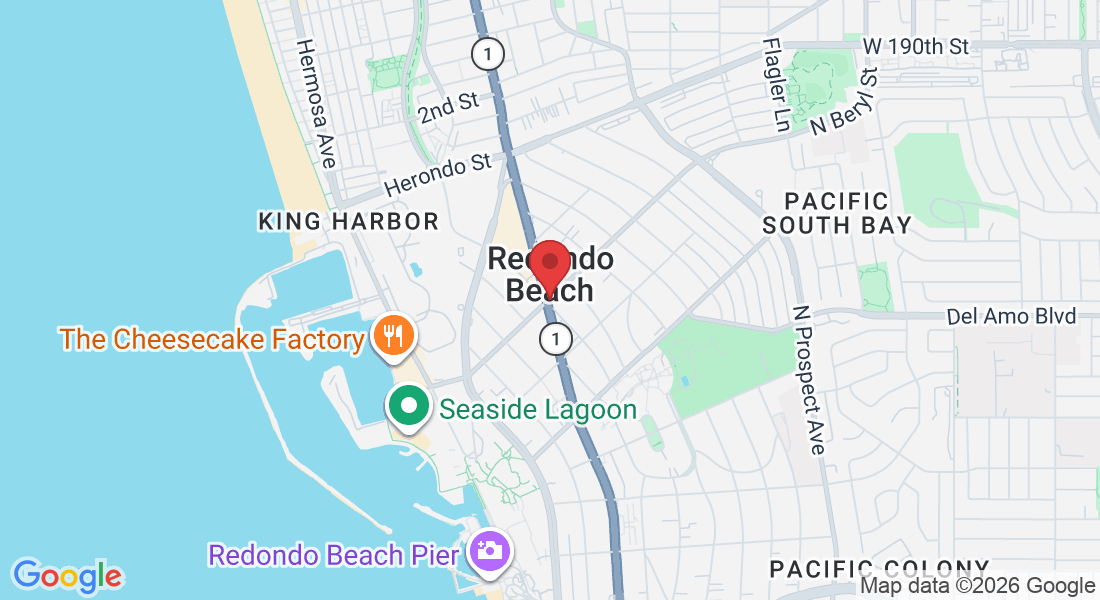
Contact Info
Address
8895 Towne Centre Dr. Ste 105 PMB 436, San Diego, CA 92122-5542
Phone
+18582328722
Location
https://www.google.com/maps/embed?pb=!1m18!1m12!1m3!1d429155.3376406009!2d-117.43861812897623!3d32.82469764779043!2m3!1f0!2f0!3f0!3m2!1i1024!2i768!4f13.1!3m3!1m2!1s0x80d9530fad921e4b%3A0xd3a21fdfd15df79!2sSan%20Diego%2C%20CA%2C%20USA!5e0!3m2!1sen!2sph!4v1710098235283!5m2!1sen!2sph